Misspelled, Proud, and Not Fixing It: The Nebraska Town Built on a Clerical Error
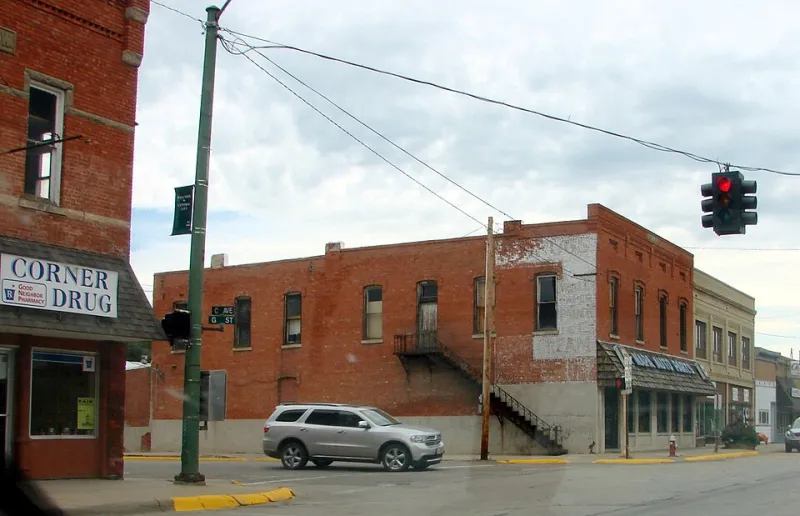
Photo: inkknife_2000 (7.5 million views +), CC BY-SA 2.0, via Wikimedia Commons
The Mistake That Stuck
In the landscape of American place names, there are cities named after presidents, rivers, and European capitals. There are towns named for long-dead settlers, local landmarks, and occasionally, optimistic aspirations. And then there's Merna, Nebraska — a town that exists under a name it was never actually supposed to have.
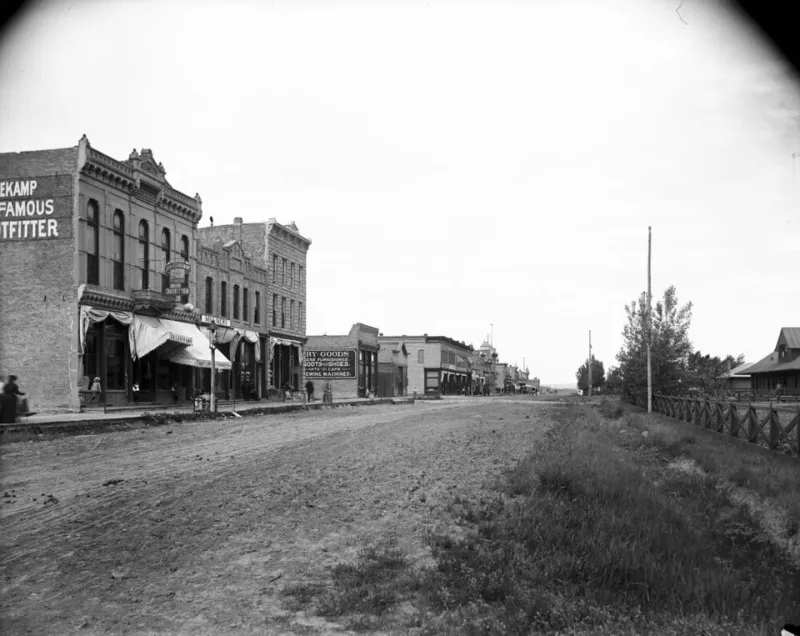
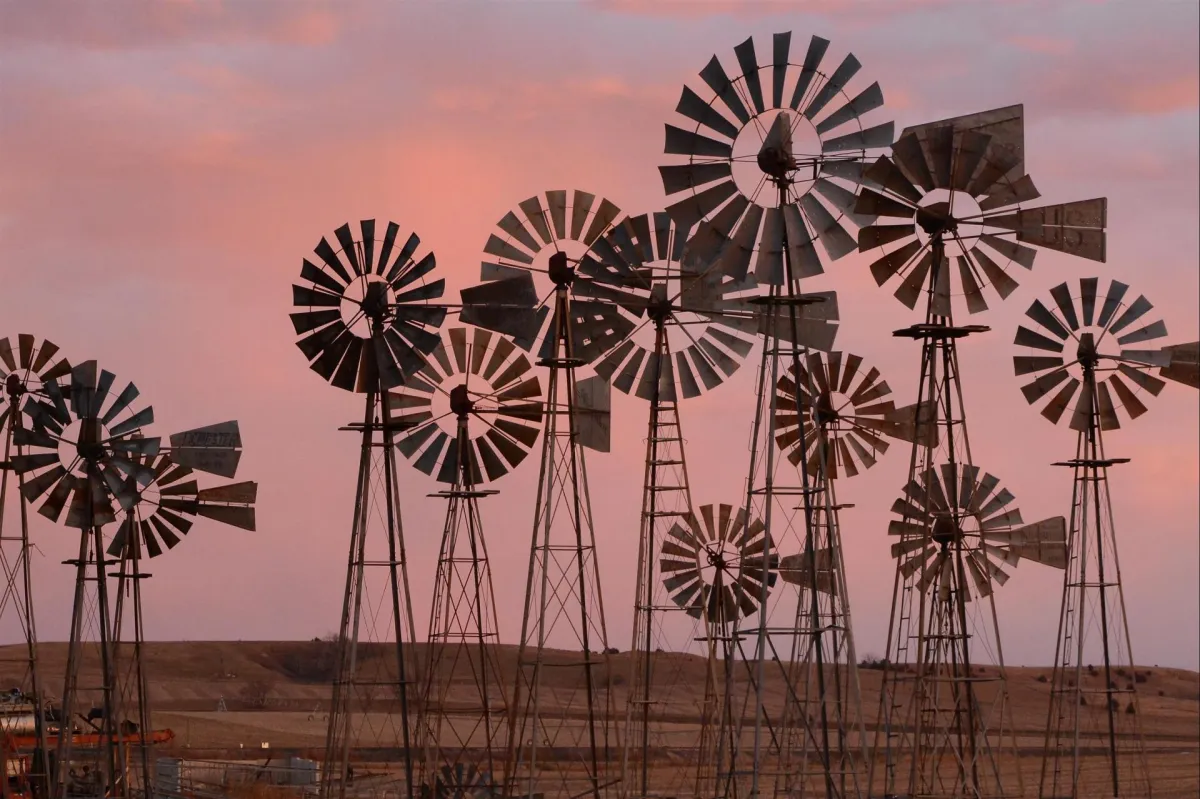 Photo: Merna, Nebraska, via lirp.cdn-website.com
The original settlement, planted in Custer County in the 1880s during the westward push that populated the Great Plains, was intended to carry a different name entirely. Accounts vary on what that intended name was — some local histories suggest it was meant to honor a settler's wife or daughter, a common naming convention of the era. What's consistent across the historical record is simpler and more entertaining: when the paperwork went through the postal service to establish an official post office, something got garbled in transit.
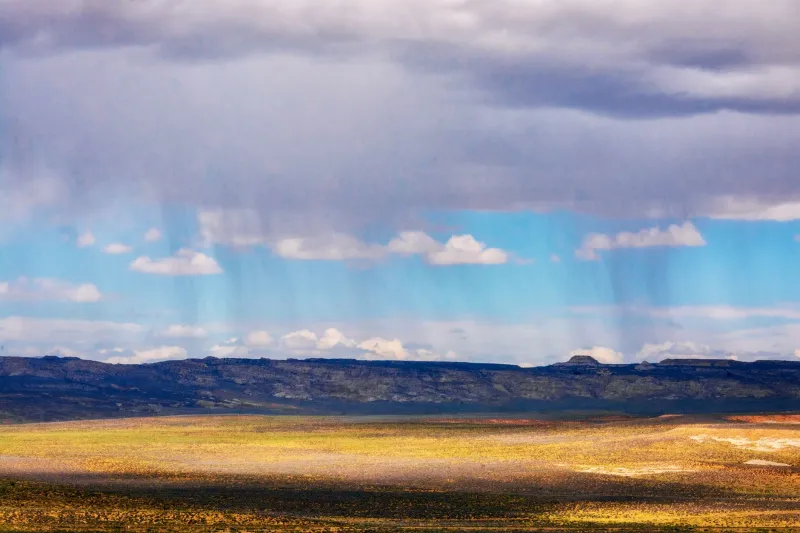
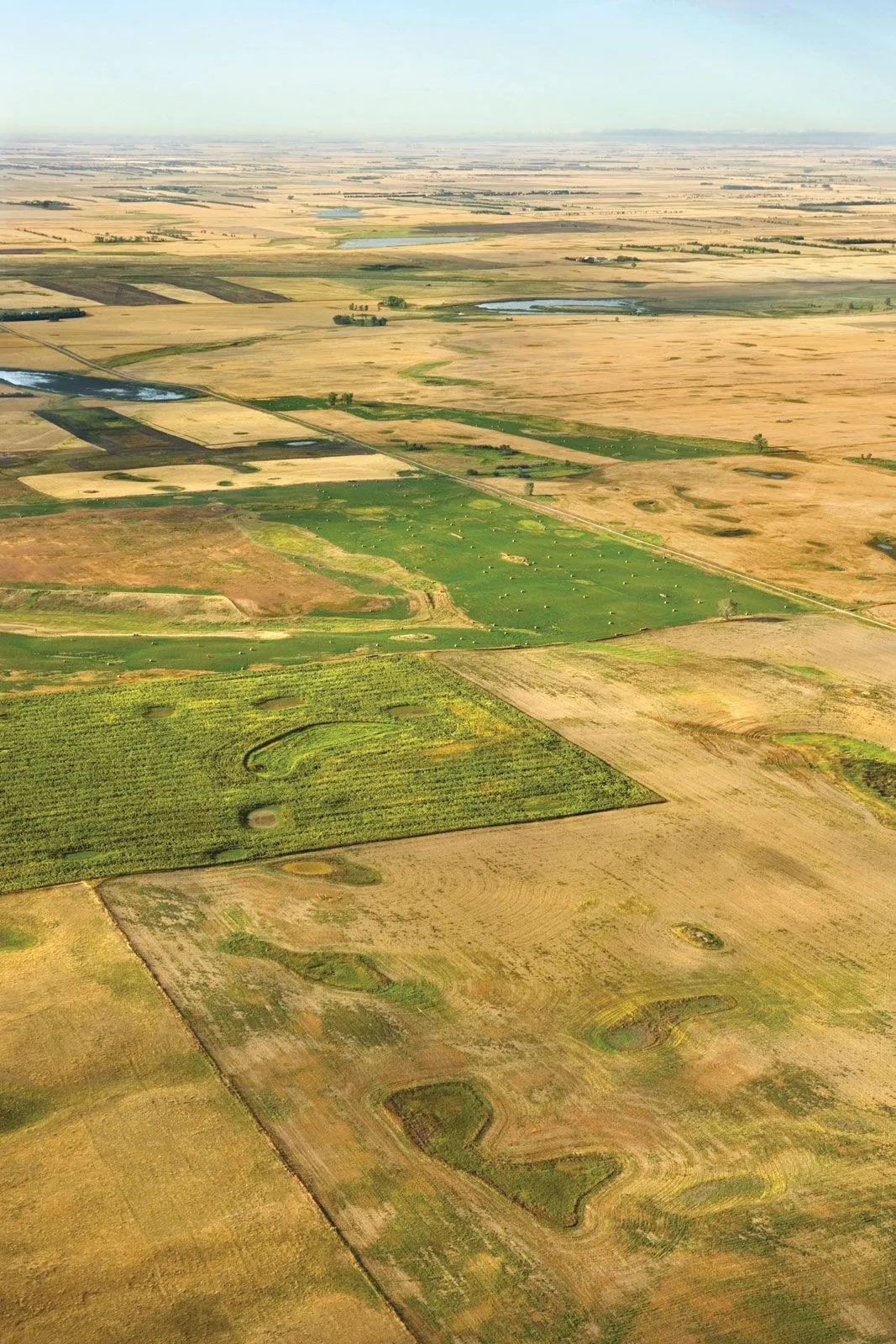 Photo: Great Plains, via cdn.britannica.com
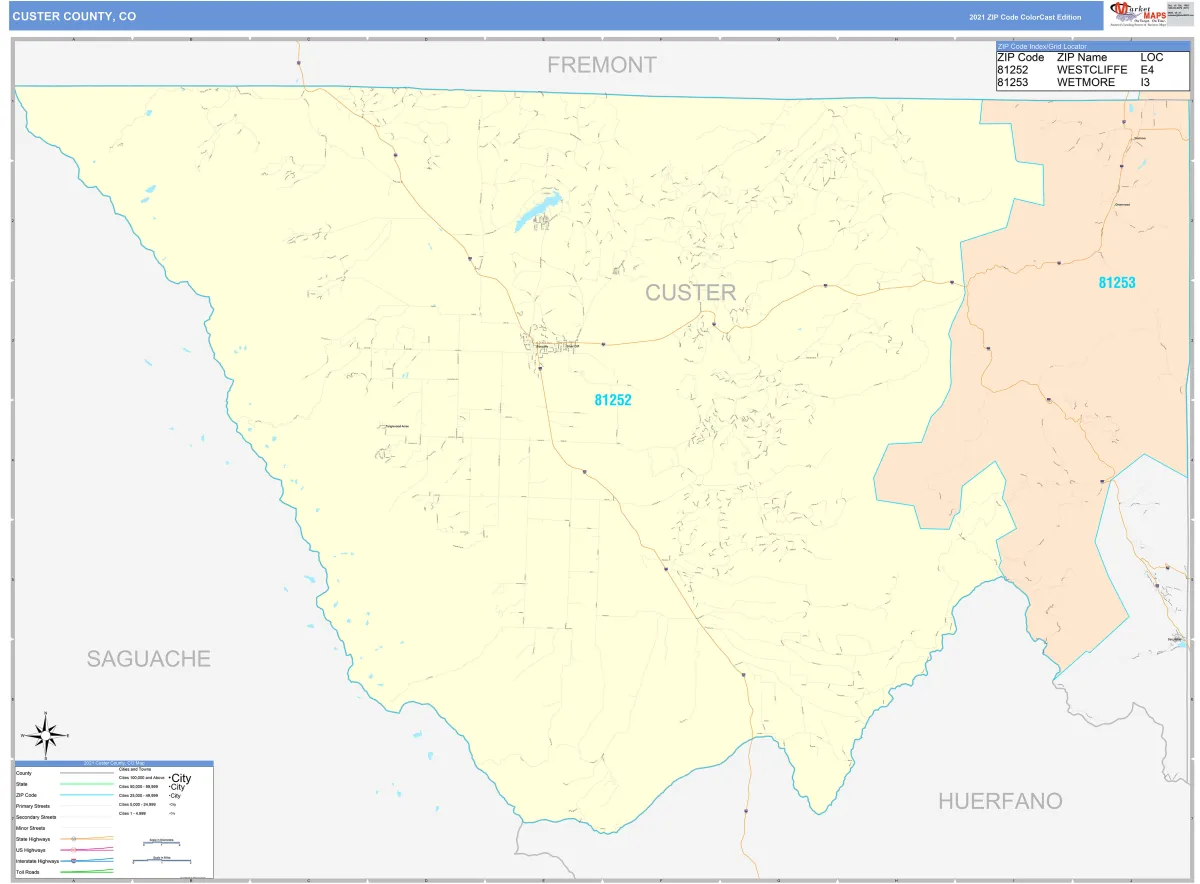 Photo: Custer County, via www.mapsales.com
A letter was changed. A syllable shifted. The name that came back on the official documents wasn't the name that went in.
The Bureaucracy Wins, as Always
This was the 1880s. There was no email. No online correction portal. No customer service line staffed by someone who could fix a database entry in thirty seconds. Correcting a postal designation meant corresponding with federal officials, resubmitting documentation, and waiting — potentially for a very long time — while the machinery of government processed the appeal.
And here's where the story takes its most human turn: the settlers largely shrugged.
They had land to break, crops to plant, and a community to build. The name on the post office sign was close enough to what they'd intended. It wasn't offensive. It wasn't confusing. It was just slightly wrong in a way that, practically speaking, didn't affect daily life in any meaningful way. So they kept it.
Over time, "kept it" became something more active. Children grew up knowing no other name for their home. The misspelled designation appeared on deeds, school records, church registries, and newspaper mastheads. By the time anyone thought seriously about correction, the error had calcified into identity.
When the Wrong Name Becomes the Right One
This is a pattern that repeats throughout American history more often than most people realize. The country's map is littered with places whose names arrived through miscommunication, misunderstanding, or outright mistake. What makes Merna's story particularly clean is how deliberately the community leaned into its accidental christening.
Local pride in small Nebraska towns is not a subtle thing. It manifests in booster clubs, centennial celebrations, high school mascots, and the particular defensiveness that emerges whenever an outsider suggests that a place is too small to matter. That energy, directed toward a misspelled name, produces something genuinely charming: a community that treats its founding error not as an embarrassment but as a defining characteristic.
"We've always been Merna" is a sentiment that sounds simple but carries real weight. It's a rejection of the idea that legitimacy requires getting everything right the first time. The town existed before the paperwork. The people were real before the post office gave them an official designation. The name, however it arrived, became theirs.
The Impossibility of Going Back
For anyone who's ever tried to correct a legal name — on a driver's license, a Social Security record, a property deed — the practical obstacles involved in renaming an entire municipality will be immediately familiar, scaled up to a nightmarish degree.
A town name change requires coordination across county records, state databases, federal postal systems, mapping services, road signage, and the personal documentation of every resident who lists that town as their address. It's the kind of administrative undertaking that makes local officials tired just thinking about it.
But in Merna's case, the bureaucratic mountain was never really the issue. The community simply didn't want to climb it. The misspelled name had done the work of any name — it had become a place, a home, a point of reference for generations of people who'd been born, married, and buried under its banner.
Correcting it, at a certain point, would have been the actual mistake.
What a Typo Actually Builds
There's a broader lesson lurking inside this story, one that goes beyond Nebraska's county lines. American identity — local, regional, national — is assembled from exactly this kind of accumulated accident. Borders drawn by exhausted surveyors. City names garbled by non-native speakers. Traditions started for reasons nobody remembers anymore.
The country wasn't built to a blueprint. It was improvised, corrected, and occasionally just left wrong because fixing it seemed like more trouble than it was worth.
Merna, Nebraska, population small and stubbornly itself, is a perfect small-scale model of that process. A clerk made a mistake. A community decided the mistake was fine. And somewhere along the way, the mistake stopped being a mistake at all.
It became a town.