Dead Man's Allowance: The Civil War Widow Who Fooled Washington for Nearly Seven Decades

Dead Man's Allowance: The Civil War Widow Who Fooled Washington for Nearly Seven Decades
Somewhere in a Washington filing cabinet, a Union soldier named on yellowed government ledgers was very much alive — at least on paper. He had a pension number. He had an account. Every few months, a check arrived in his name. The only problem was that the man himself had been dead for the better part of a century.
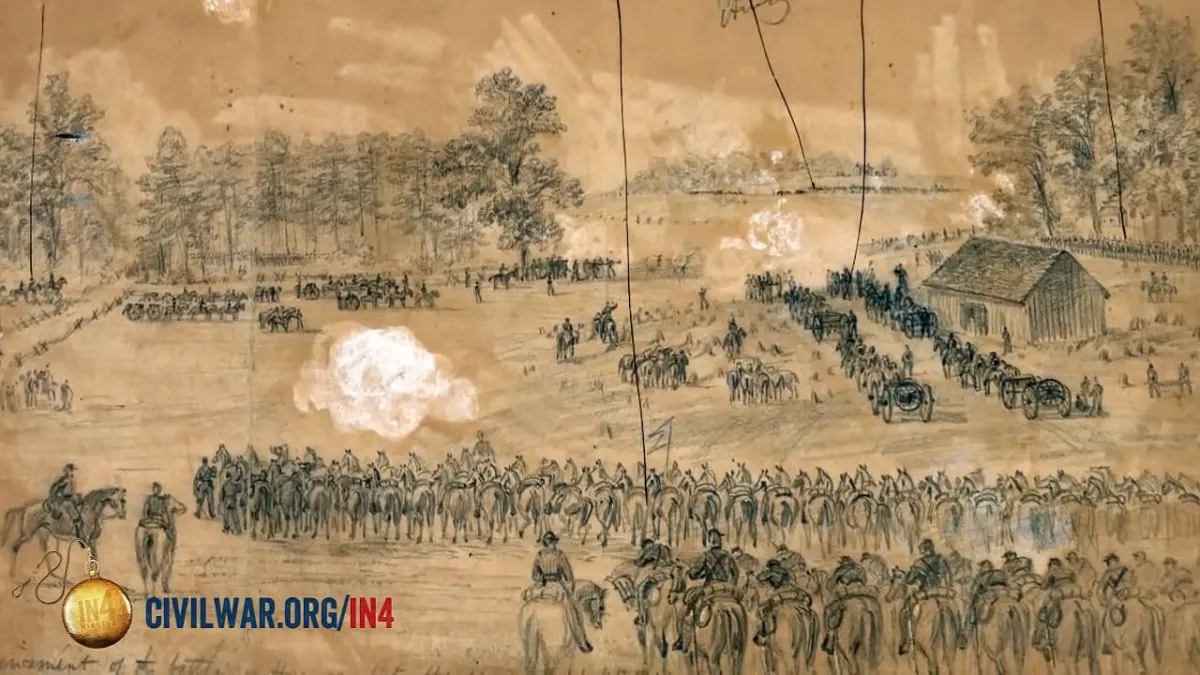 Photo: Civil War, via cdn.britannica.com
This is the story of how one grieving widow, a stack of forged paperwork, and the spectacular indifference of federal bureaucracy kept a ghost on the government payroll from the Reconstruction Era all the way into the age of radio and talking pictures.
The War Ends. The Checks Don't.
The Civil War pension system was, by any measure, one of the most ambitious government programs the young United States had ever attempted. By the 1890s, it consumed nearly 40 percent of the entire federal budget — a staggering commitment to the hundreds of thousands of Union veterans and their families who depended on it for survival.
The system was also, not coincidentally, a bureaucratic nightmare.
Administrators in Washington were processing claims from veterans scattered across 37 states. Records were handwritten. Cross-referencing death certificates with pension files required physical correspondence between county clerks, state offices, and federal departments — a chain of communication that moved at the speed of a horse-drawn mail wagon. Fraud was not just possible. It was practically invited.
When a Union soldier — records from the era place similar cases across multiple Midwestern states — died in the years immediately following the war, his widow was legally entitled to continue receiving a survivor's pension. That was the legitimate part. The illegitimate part came later, when some widows discovered that the paperwork confirming a veteran's death could simply… not be filed. And if it wasn't filed, the original pension kept arriving as if nothing had changed.
All it took was a forged signature on a renewal form. Maybe two.
A Long Con Nobody Was Running
Here's what makes these cases genuinely strange: most of the women involved didn't think of themselves as criminals. They thought of themselves as surviving.
Pension payments in the post-Civil War era were meager — often just eight dollars a month. For a widow in a rural county with no income, no property in her name, and children to feed, that money was the difference between a roof and none. When a husband died, the survivor's pension was technically lower than the veteran's original benefit. For some families, the math was brutally simple: report the death and lose income, or stay quiet and keep eating.
So they stayed quiet.
And the checks kept coming.
What nobody anticipated — including the widows themselves — was just how long the silence could last. The Pension Bureau in Washington, perpetually understaffed and overwhelmed with claims, operated largely on the honor system. A pensioner was assumed alive until proven otherwise. And proving otherwise required someone to go looking.
Nobody went looking.
Bureaucracy as an Unwitting Accomplice
By the early 1900s, some of these arrangements had taken on an almost absurd quality. The original widow — the woman who had first forged the renewal paperwork — had herself grown old. In at least several documented cases uncovered by congressional investigators in the 1920s and 1930s, the pension had quietly passed through two generations of family members who continued filing renewal documents under the veteran's name.
Grandchildren were, in some instances, signing the name of a man who had died before their parents were born.
The federal government, for its part, was not entirely oblivious. The Pension Bureau periodically launched audits and reform efforts throughout the late 19th and early 20th centuries. Investigators did catch fraud — thousands of cases were prosecuted. But the sheer volume of active files made comprehensive oversight functionally impossible. A pension account with a clean renewal history and no red flags was unlikely to receive scrutiny. And accounts that had been quietly maintained for decades had, paradoxically, built up a kind of bureaucratic credibility through longevity alone.
The longer a dead man had been collecting, the less suspicious his file looked.
When the Ledger Finally Closed
It was the New Deal era that ultimately forced a reckoning. As the federal government dramatically expanded its social programs in the 1930s, administrators undertook a systematic review of existing pension files — partly to modernize records, partly to cut costs during the Depression. Investigators cross-referencing pension accounts with death records and census data began turning up anomalies that were, to put it gently, difficult to explain.
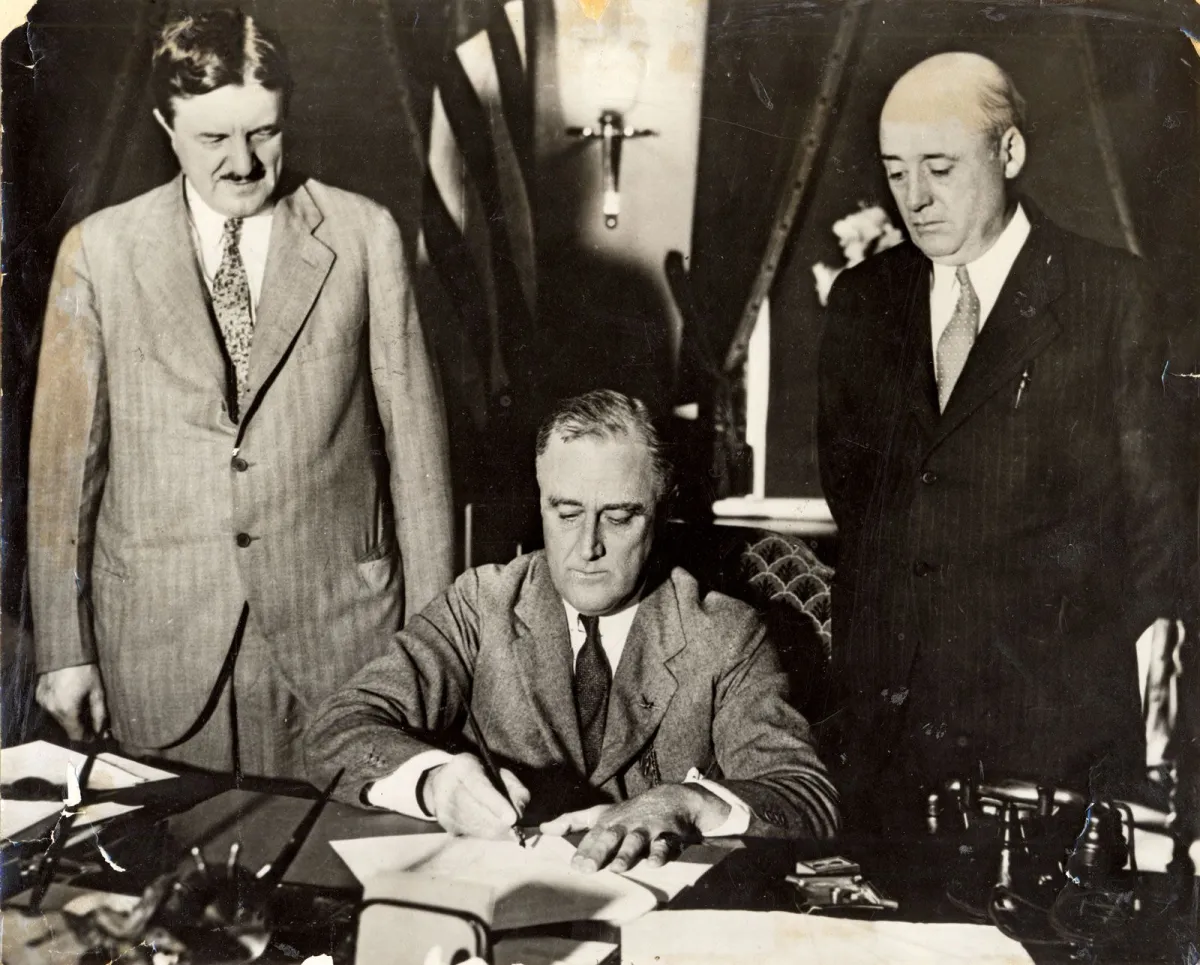 Photo: New Deal, via cdn.britannica.com
Some pension files belonged to veterans who, if still alive, would have been well over 100 years old. Others showed renewal signatures that bore a suspicious resemblance to a widow's handwriting from 30 years earlier. A handful of accounts, when investigators finally pulled the thread, unraveled into stories that stretched back to the 1860s.
The longest documented cases of Civil War pension fraud — confirmed by congressional testimony and investigative journalism of the period — ran to roughly 67 years of unchallenged payments. The original soldier had died. His widow had died. And still the checks had come, signed by hands that had never once shaken his.
The Accidental Lesson
What's remarkable about these cases isn't the audacity of the fraud. It's the passivity of it. Nobody was running a sophisticated con. There were no elaborate cover stories, no accomplices, no master plan. There was only paperwork — and the federal government's extraordinary willingness to believe it.
The Civil War pension scandal quietly reshaped how the United States thought about government record-keeping. The audits of the 1930s directly informed the design of Social Security's verification systems, which launched in 1935 and built in death-reporting requirements from the start.
A dead Union soldier, collecting checks into the age of Franklin Roosevelt, had accidentally helped build the paper trail that protects modern entitlement programs.
History has a strange sense of humor that way.