The Funeral Nobody Planned: How Burying a Stranger Created Indiana's Most Enduring Tradition
The Man with No Name
He collapsed on a Tuesday morning in October 1934, just outside the grain elevator in Millfield, Indiana. Nobody in town had ever seen him before—a thin man in his fifties wearing a worn wool coat and carrying nothing but a few coins and a pocket watch with no inscription. The local doctor pronounced him dead of what appeared to be heart failure, and that should have been the end of it.
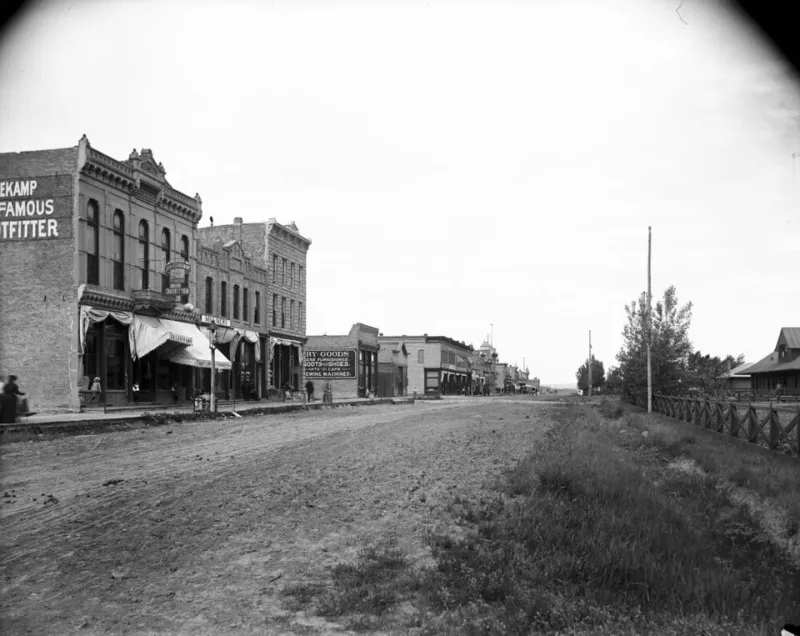
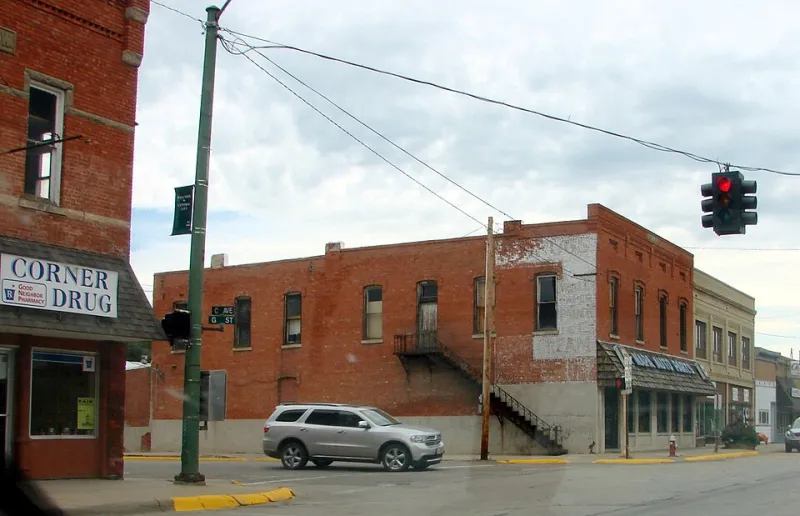
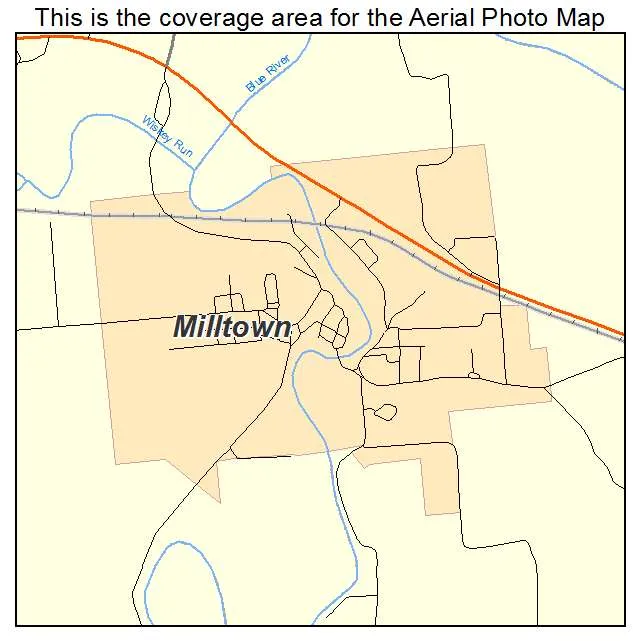 Photo: Millfield, Indiana, via www.landsat.com
In most places, an unidentified transient would have received a pauper's burial: a pine box, a quick service, and an unmarked grave in the county cemetery. But Millfield had Reverend Samuel Hartwell, a Methodist minister with firm opinions about human dignity and the proper way to send someone into eternity.
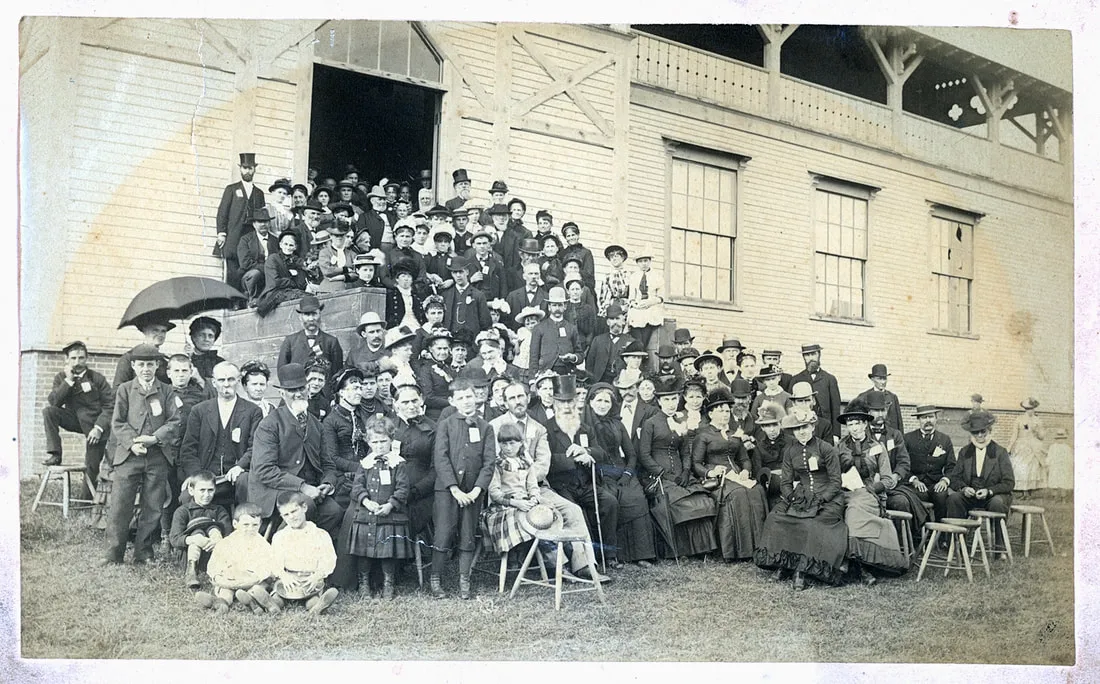 Photo: Reverend Samuel Hartwell, via www.hartwellclan.org
"Every soul deserves witnesses," Hartwell announced to his wife that evening. "If this man has no family to mourn him, then we shall be his family."
A Funeral Becomes an Event
Hartwell spent three days preparing for a funeral that nobody had requested. He wrote a eulogy for a man whose name he didn't know, arranged for flowers from his own garden, and personally invited every resident of Millfield to attend the service. His reasoning was simple: "If we don't show up for each other in death, how can we claim to be a community in life?"
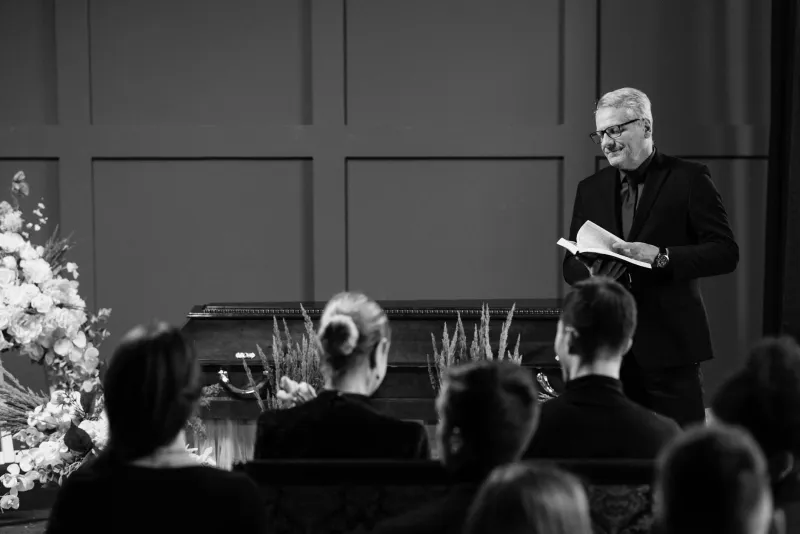
What happened next surprised everyone, including Hartwell himself. On Friday afternoon, October 12, 1934, nearly the entire town of Millfield—all 847 residents—gathered at the Methodist church for the funeral of a complete stranger. People brought covered dishes, flowers from their gardens, and hymn books. The service lasted two hours.
Mrs. Eleanor Patterson, who attended that first funeral as a young woman, later recalled: "It was the strangest thing. We were all there mourning someone we'd never met, but somehow it felt like the most natural thing in the world. Like we were finally doing something we'd always meant to do."
The Tradition That Nobody Started
The following October, something remarkable happened. Without any official planning or announcement, people in Millfield began asking each other: "Are we doing the service again this year?" Nobody could quite explain why, but everyone seemed to assume they would.
Hartwell, now faced with an annual obligation he'd never intended to create, embraced the role. The second Unknown Soul Service, as it came to be called, honored three people who had died in the county with no known relatives: another drifter, an elderly woman found in an abandoned farmhouse, and a child whose parents had died in a car accident.
By the fifth year, the service had evolved into something unprecedented in American funeral traditions. The town began keeping a "Book of the Unknown"—a record of anyone who died in the county without family to claim them. Each October, Hartwell would read their names (when known), their approximate ages, and any details about their lives that could be discovered.
A Community Built on Borrowed Grief
What makes Millfield's tradition truly extraordinary is how it shaped the town's identity. Sociologist Dr. Margaret Chen, who studied the Unknown Soul Service for her 1987 dissertation, found that Millfield had the lowest crime rate, highest voter turnout, and strongest community participation of any similar-sized town in Indiana.
 Photo: Dr. Margaret Chen, via dims.healthgrades.com
"The annual act of mourning strangers created a shared sense of responsibility," Chen wrote. "When you've stood together to honor people nobody knew, it becomes much harder to ignore the people you do know."
The service also attracted attention from beyond Millfield. By the 1960s, people from neighboring counties began attending, bringing their own unknown dead to be remembered. The service grew from a small-town gathering to a regional event, but it never lost its essential character: a community choosing to witness for the forgotten.
Ninety Years of Showing Up
Today, the Unknown Soul Service continues every second Friday in October, just as it has since 1934. Reverend Hartwell died in 1967, but the service has been carried on by a succession of local ministers, and when necessary, by community volunteers. The Methodist church was replaced by a larger community center in 1983, but the format remains essentially unchanged.
The current keeper of the Book of the Unknown, retired teacher Janet Morrison, estimates that the service has honored more than 1,200 unknown dead over nine decades. Some years they remember a dozen people; some years only two or three. In 2020, the service was held outdoors due to COVID-19, but it was held.
"People ask me why we keep doing this," Morrison says. "I tell them: somebody has to. And once you start, how do you stop? These people deserve to be remembered, even if nobody remembers them."
The Mystery of Collective Compassion
What began as one minister's principled stand has become something that defies easy explanation. The Unknown Soul Service has no charter, no budget, no official organization. It exists purely because the people of Millfield have decided, year after year, that it should exist.
Dr. Chen's follow-up studies found that even residents who move away from Millfield often return for the October service. Children who grow up attending the Unknown Soul Service are statistically more likely to volunteer for community organizations and less likely to move far from home.
"It's the most powerful example I've encountered of how ritual creates community," Chen explains. "They're not just honoring the dead—they're affirming that in Millfield, nobody dies alone."
The Lesson of the Unnamed
The story of Millfield's Unknown Soul Service challenges our assumptions about how traditions begin and why they endure. It wasn't founded by civic leaders or religious authorities—it emerged from one man's refusal to let death pass unwitnessed and a community's inexplicable willingness to make that refusal their own.
Perhaps most remarkably, the service has created exactly what Reverend Hartwell hoped for in 1934: a place where showing up for strangers has become the most natural thing in the world. In Millfield, Indiana, the question isn't why they honor the unknown dead—it's why everywhere else doesn't.