The Self-Proclaimed Space Emperor Who Made NASA Lawyers Lose Sleep
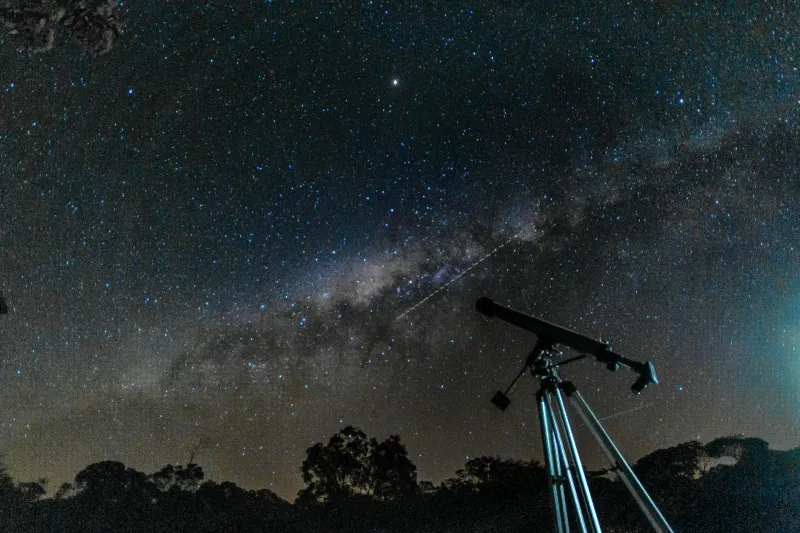
When Manifest Destiny Meets Outer Space
Long before Elon Musk dreamed of Mars colonies or Jeff Bezos planned Blue Origin, a Nevada man named James Thomas Mangan looked up at the night sky and decided he owned all of it. Not just a piece—everything. Every star, every planet, every speck of cosmic dust floating in the infinite void belonged to him, and he had the paperwork to prove it.
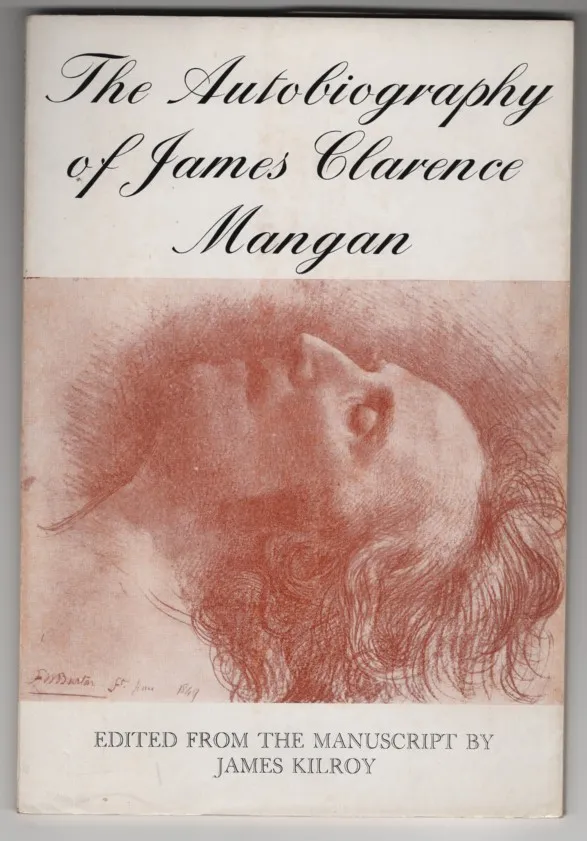 Photo: James Thomas Mangan, via pictures.abebooks.com
On December 20, 1949, Mangan walked into the Nye County Courthouse in Tonopah, Nevada, and filed what might be the most audacious land claim in human history. For a modest filing fee, he officially declared ownership of "all of outer space" and established himself as the founding ruler of a nation he called Celestia.
 Photo: Nye County Courthouse, via c.saavncdn.com
What happened next would puzzle government lawyers, confuse international diplomats, and create a legal headache that lasted for decades.
The Cosmic Bureaucrat
Mangan wasn't some wild-eyed eccentric shouting at the moon. He was a methodical, almost obsessively organized man who approached his universal empire with the same attention to detail that most people reserve for their tax returns. After filing his initial claim, he immediately set about creating all the trappings of legitimate nationhood.
He designed a flag for Celestia—a simple design featuring stars on a blue background that looked suspiciously like someone had reimagined the American flag for space travel. He created official government letterhead, complete with his title: "First Representative of the Nation of Celestia to the planet Earth."
But Mangan's masterstroke was his decision to start issuing official documents. He printed passports for travel to celestial bodies, created currency backed by the mineral wealth of asteroids, and began charging what he called "space taxes" to anyone planning to leave Earth's atmosphere.
The Government's Cosmic Headache
At first, federal authorities treated Mangan's claims as an amusing curiosity. After all, what harm could one man with delusions of cosmic grandeur actually cause? But as the space race began heating up in the 1950s, Mangan's paperwork started causing real problems.
When the Soviet Union launched Sputnik in 1957, Mangan immediately fired off formal diplomatic protests to both Moscow and Washington, claiming the satellite was illegally trespassing in his sovereign territory. He demanded rent payments and threatened to impose sanctions on both superpowers if they continued their unauthorized use of his space.
The State Department found itself in the bizarre position of having to explain to Soviet diplomats why an American citizen was claiming ownership of the cosmos and sending them bills for satellite usage. Meanwhile, NASA's legal team discovered they had no clear precedent for dealing with someone who claimed to own their entire mission area.
Diplomatic Immunity in the Final Frontier
Mangan's timing was impeccable. The 1950s and early 1960s were the Wild West of space law—nobody had really thought through the legal implications of leaving Earth. The 1967 Outer Space Treaty wouldn't be signed for another decade, leaving a legal vacuum that Mangan was happy to fill with his own cosmic constitution.
He began corresponding with foreign governments, offering to lease portions of the moon for their space programs. The French government, perhaps more amused than annoyed, actually acknowledged receipt of his letters and politely declined his offers. The Soviets, predictably, ignored him entirely.
But the real diplomatic crisis came when Mangan started issuing travel documents. His "Celestial Passports" were beautifully designed official-looking documents that he claimed would be necessary for any human space travel. While no government recognized these passports, they looked legitimate enough to cause confusion at border crossings and immigration checkpoints.
The Empire Strikes Back
As the space race intensified, so did Mangan's activities. He established what he called "Celestial Embassies" in major cities, appointed himself as ambassador to Earth, and began holding press conferences to discuss interplanetary relations.
When Neil Armstrong and Buzz Aldrin landed on the moon in 1969, Mangan immediately sent NASA a bill for trespassing damages and unauthorized mining operations (the astronauts had collected moon rocks, which he claimed were stolen property). He also issued formal diplomatic protests to the United Nations, demanding that the Apollo missions be classified as acts of cosmic colonialism.
 Photo: Neil Armstrong, via staticg.sportskeeda.com
The absurdity reached its peak when Mangan began selling plots of lunar real estate through classified ads in major newspapers. For just $1 per acre, Americans could own a piece of the Sea of Tranquility. Thousands of people sent him money, receiving in return official-looking deeds signed by "His Cosmic Majesty, James I, Emperor of Space."
Legal Limbo Among the Stars
The most remarkable aspect of Mangan's cosmic empire wasn't his creativity or persistence—it was the fact that nobody could definitively prove he was wrong. Until the Outer Space Treaty was signed in 1967, there was genuinely no clear legal framework governing celestial property rights.
Government lawyers found themselves tied in knots trying to explain why a man couldn't claim ownership of unclaimed territory, especially when the United States had been built on exactly that principle. If homesteaders could claim Western territories by planting flags and filing paperwork, what legal principle prevented someone from doing the same with the moon?
The End of an Empire
Mangan continued his cosmic sovereignty campaign well into the 1970s, outlasting the space race that had inspired it. He died in 1970, but not before establishing what might be the most successful one-man diplomatic hoax in American history.
His nation of Celestia never achieved international recognition, but it did achieve something perhaps more valuable: it exposed the absurd gaps in humanity's legal preparation for the space age. In a way, Mangan's cosmic empire served as an early warning system, highlighting the need for international agreements about space exploration before things got truly complicated.
Today, with private companies launching satellites and planning Mars missions, Mangan's questions about space ownership are more relevant than ever. While no government recognizes his heirs' claims to the cosmos, his decades-long campaign remains a testament to the power of audacious bureaucracy and the strange legal territories that emerge when human ambition exceeds human law.