Wrong Place, Wrong Lens: The Tourist Snapshot That Put a Nebraska Dentist on the CIA's Radar
Photo: Steve Shook from Moscow, Idaho, USA, CC BY 2.0, via Wikimedia Commons
Wrong Place, Wrong Lens: The Tourist Snapshot That Put a Nebraska Dentist on the CIA's Radar
Most people come home from a European vacation with a few rolls of film, some duty-free chocolate, and maybe a mild case of jet lag. An Omaha dentist returned from his 1960 summer trip with all of that — plus an unexpected visit from federal investigators and a brief, dizzying moment at the center of the most diplomatically explosive spy scandal of the Cold War.
He hadn't done anything wrong. He hadn't been recruited. He wasn't a spy. He was just a guy with a camera who stood in the wrong place at exactly the wrong moment in history.
The Summer Everything Went Wrong
To understand why a dentist's vacation photos could become a national security matter, you have to understand what was happening in the spring and summer of 1960 — because it was one of the most chaotic stretches of Cold War diplomacy on record.
On May 1, 1960, a CIA U-2 reconnaissance aircraft piloted by Francis Gary Powers was shot down over Soviet airspace. The plane had been conducting a high-altitude surveillance mission over the USSR, photographing military installations from roughly 70,000 feet. The Soviets, who had been tracking U-2 flights for years without being able to reach them, had finally developed a surface-to-air missile capable of bringing one down.
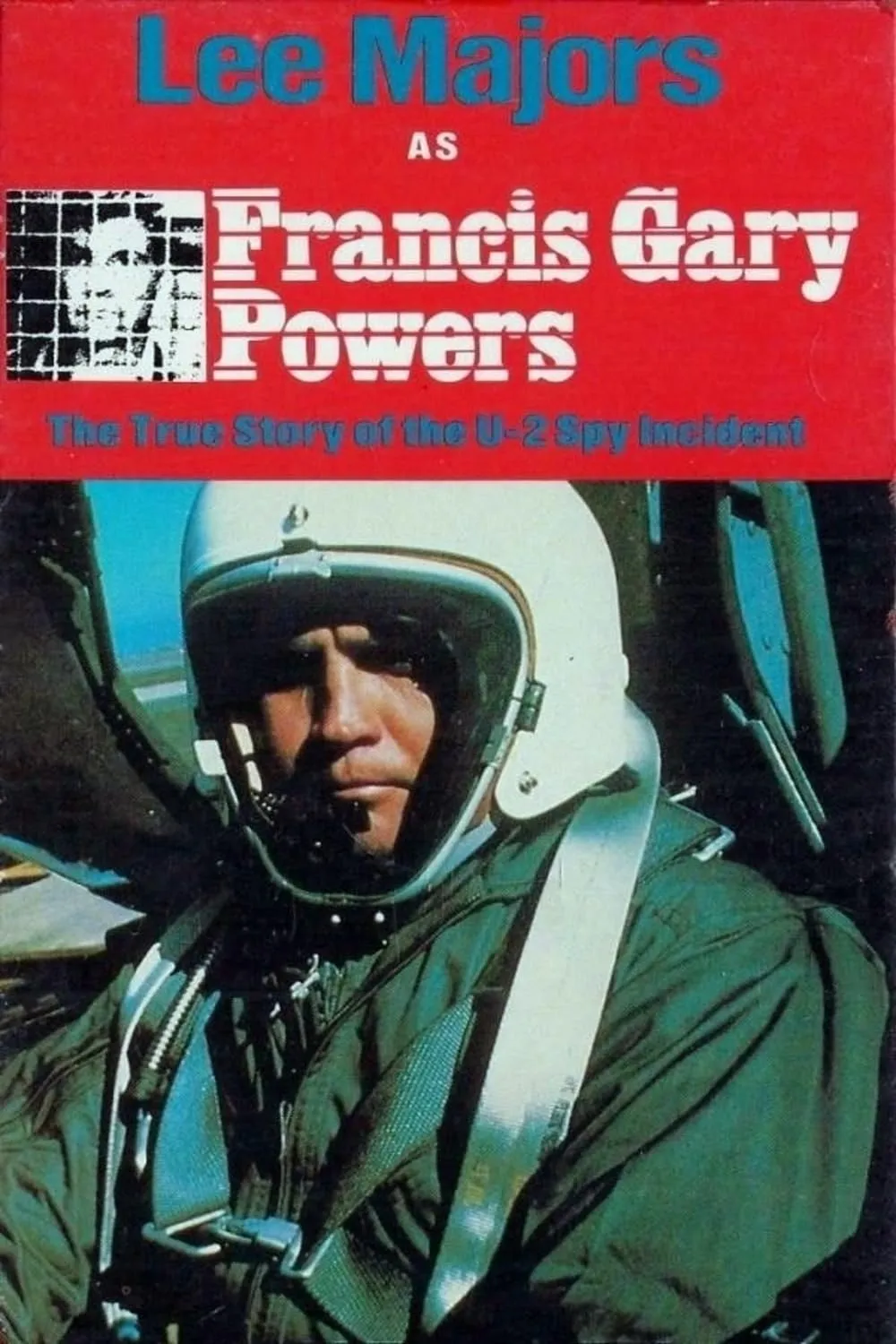 Photo: Francis Gary Powers, via m.media-amazon.com
Powers survived. The plane did not. And the Eisenhower administration, which had initially denied the flight's existence, was left scrambling when the Soviets produced both the wreckage and the pilot as evidence.
The fallout was immediate and severe. A planned Paris summit between Eisenhower and Soviet Premier Nikita Khrushchev collapsed before it began. Congressional investigators launched hearings. Intelligence officials were called to testify. And suddenly, everyone wanted to know exactly what American surveillance operations had been photographing — and what, if anything, had been accidentally photographed by people who weren't supposed to be looking.
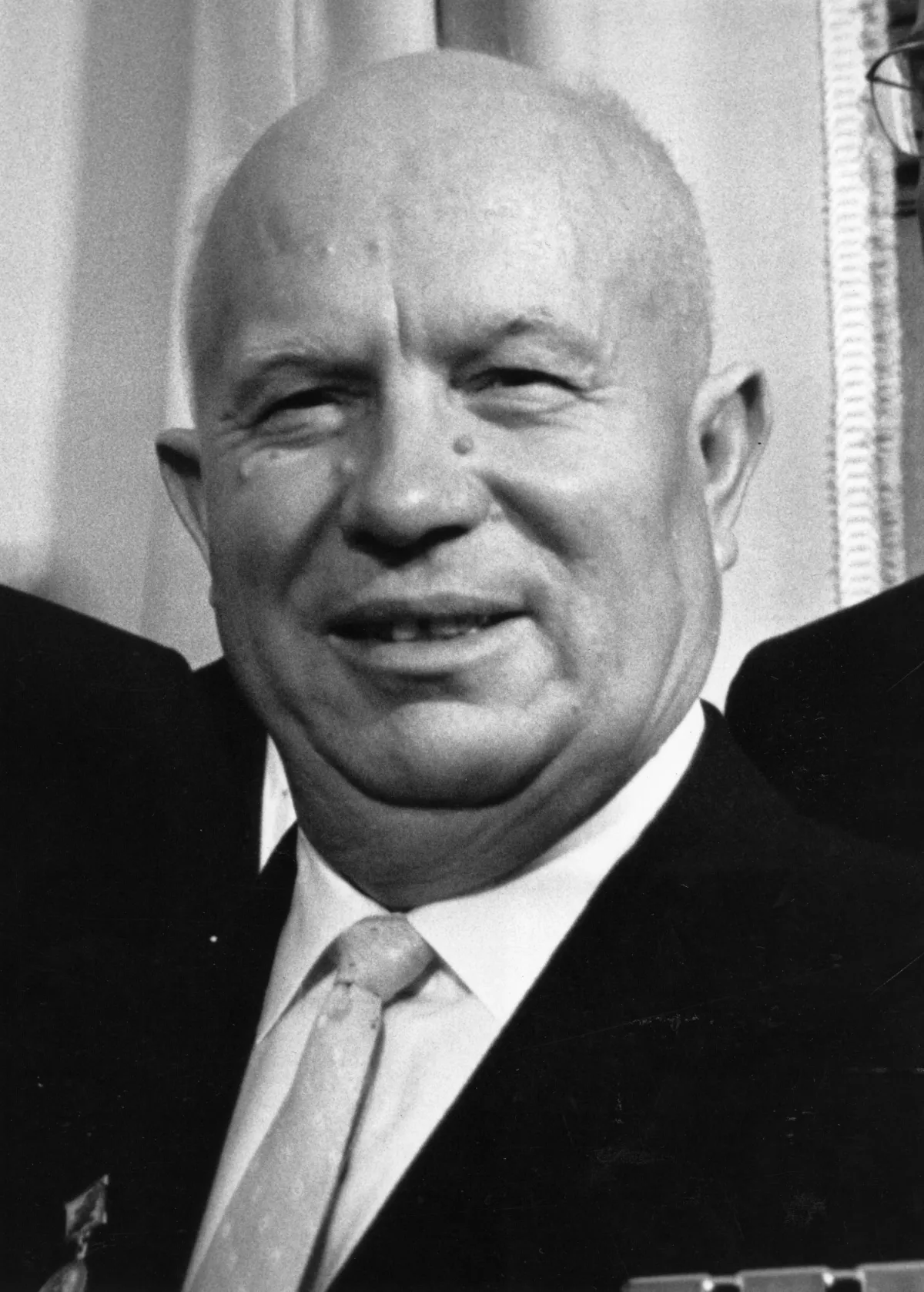 Photo: Nikita Khrushchev, via 1945tothepresentmartinez.weebly.com
A Dentist With a Leica
The Omaha dentist — accounts from the period describe him as an enthusiastic amateur photographer with a quality 35mm camera, the kind of man who read photography magazines and always traveled with extra film — had planned his European trip well before the U-2 incident. He was doing what American tourists did in 1960: visiting landmarks, taking pictures, sending postcards home.
Somewhere in his travels, he had photographed a scene that, to him, looked like an interesting landscape or architectural backdrop. A hill, perhaps. A stretch of open country. Something that made for a nice composition. What he hadn't noticed — what he had no particular reason to notice — was what was visible in the background of his shot.
Military infrastructure. Specifically, the kind of infrastructure that American intelligence agencies had a professional interest in and a strong preference for keeping off civilian film rolls.
Exactly which installation appeared in his photographs is not fully documented in declassified records — the specifics were sensitive enough that congressional testimony from the period was partially redacted. What is clear is that Senate investigators, combing through intelligence material related to the U-2 hearings, identified a match between something in the background of his tourist snapshot and something that had shown up in classified surveillance photography.
The dentist, back in Omaha and presumably busy with root canals, received a visit.
The Knock on the Door
By all accounts, the interview was politely terrifying.
Federal investigators — the accounts suggest a combination of Senate staff and intelligence officials — arrived at his office and explained, with careful vagueness, that his vacation photographs had come to the attention of certain government agencies and that they would very much like to review his negatives. All of them.
The dentist cooperated fully, because of course he did. He had nothing to hide. He handed over his film rolls, answered questions about where he'd been and when, and spent several tense weeks waiting to find out whether his holiday had accidentally made him a person of interest in a Senate intelligence investigation.
The investigators' central concern was straightforward: had he seen what was in the background of his own photograph? Did he know what he'd captured? Had he shown the photos to anyone — friends, family, anyone who might have recognized what was visible?
The answers, fortunately for the dentist, were no, no, and no. He was, by every indication, completely oblivious to the military significance of his own snapshot. He'd been looking at the foreground. He'd been thinking about exposure and composition. He had not been thinking about Soviet intelligence assessments of American military infrastructure.
The Strange Calculus of Accidental Espionage
What the investigators were really trying to determine wasn't whether the dentist was a spy — they knew almost immediately that he wasn't. What they needed to assess was the damage: could the photograph, if it had been seen by the wrong people, have revealed something useful to Soviet intelligence? And had it been seen by anyone?
This was, in miniature, the same question that haunted the entire U-2 affair. The spy plane incident had forced American officials to confront how much classified information was visible, in one form or another, to anyone who happened to be looking. Reconnaissance aircraft, military installations, radar arrays — these things existed in physical space, and physical space was accessible to cameras.
A tourist with a Leica was, in that sense, not entirely different from a U-2 at 70,000 feet. Both were flying over things they weren't supposed to photograph. Only one of them knew it.
Cleared, But Not Forgotten
The dentist was ultimately cleared of any wrongdoing — a conclusion that required essentially no deliberation, given that 'taking a vacation photo with an accidental background' is not, as a rule, a federal offense. His negatives were reviewed, some were apparently retained by investigators, and he was sent home with instructions to be discreet about the whole affair.
He reportedly told very few people about it for years. When he did eventually describe the experience to friends and family, the reaction was predictable: nobody believed him.
And that, perhaps, is the most perfectly Cold War ending imaginable. A completely ordinary man, briefly entangled in the tensest diplomatic crisis of his era, carrying a story so strange that the truth itself sounded like fiction.
He'd just wanted some nice photos of Europe.
He got those too, eventually — once the government gave his negatives back.