Democracy Gets Punk'd: When a Wyoming Town Nearly Elected Amy Poehler's Fictional Character as Mayor
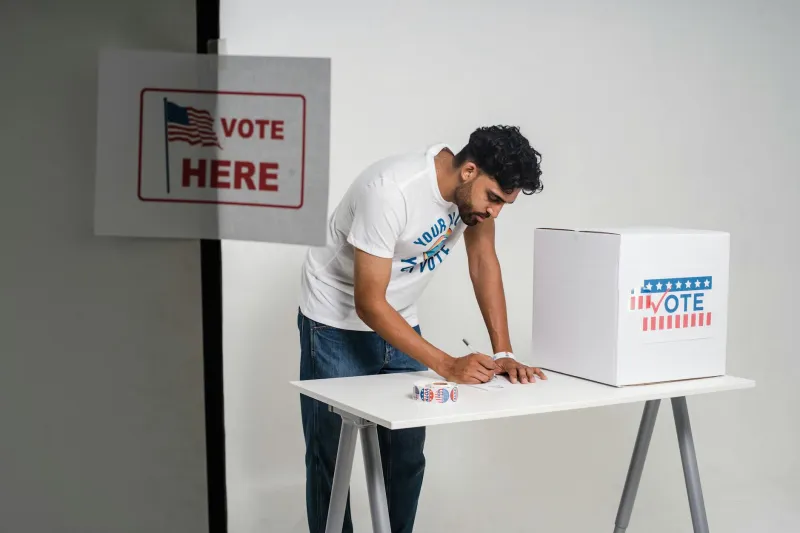
When Fiction Met the Ballot Box
Most people assume there are certain basic requirements for running for public office—like, say, existing in the real world. The residents of Tie Siding, Wyoming discovered in 2012 that this assumption might not be as ironclad as everyone thought.
What started as a tongue-in-cheek Facebook campaign to write in Leslie Knope, the relentlessly optimistic deputy director of Parks and Recreation from the hit NBC sitcom, quickly spiraled into something no one expected: a legitimate electoral discussion that forced actual government officials to weigh in on whether a fictional character could legally hold public office.
A Town Ripe for Rebellion
Tie Siding isn't your typical political battleground. With a population hovering around 100 people, this unincorporated community near the Colorado border had been without a mayor for years. The position had been essentially dormant, more ceremonial than functional, which made it the perfect target for an elaborate prank.
The campaign began when local resident Tyler Bradt created a Facebook page called "Leslie Knope for Mayor of Tie Siding." What Bradt intended as a harmless joke among friends began attracting serious attention from Parks and Recreation fans across the country. The page accumulated hundreds of likes, complete with campaign slogans like "Knope We Can!" and detailed policy positions lifted straight from the show.
When Satire Gets Serious
As the write-in campaign gained momentum, something unexpected happened: people started taking it seriously. Local news stations picked up the story, and suddenly Tie Siding found itself in the national spotlight. The campaign's authenticity was so convincing that Albany County Clerk Jackie Gonzales felt compelled to issue an official statement.
"While we appreciate the enthusiasm for civic participation," Gonzales announced, "candidates for public office must meet certain basic requirements, including being a real person who resides in the jurisdiction they wish to serve."
The fact that an elected official had to formally clarify that fictional characters couldn't hold office revealed just how seriously the campaign had been taken—and how murky the waters of small-town election law could be.
The Legal Loophole That Almost Was
What made the Leslie Knope campaign particularly intriguing wasn't just its popularity, but the genuine legal questions it raised. Wyoming's election laws, like those in many states, contain surprisingly few explicit barriers to unconventional candidates. The state requires mayors to be residents of their communities and meet basic age requirements, but the law doesn't specifically state that candidates must be, well, real.
Election law experts who followed the story pointed out that write-in campaigns have historically produced some unusual results. Dead candidates have won elections, as have cartoon characters in protest votes. The difference with Leslie Knope was that supporters seemed genuinely invested in the idea, not just making a statement.
Pop Culture Meets Civic Duty
The Knope campaign highlighted something fascinating about American political culture: the blurring line between entertainment and civic engagement. Parks and Recreation had built its reputation on portraying local government as both absurd and essential, with Leslie Knope embodying an almost mythical level of public service dedication.
For many supporters, voting for Leslie Knope wasn't just about the joke—it was about voting for the ideals she represented. In a political climate often characterized by cynicism and dysfunction, a fictional character known for her unwavering optimism and commitment to community service became an appealing alternative to traditional candidates.
The Campaign That Wasn't
Despite the official pushback, the Leslie Knope campaign continued gaining steam throughout 2012. Supporters organized mock campaign events, created genuine policy platforms, and even reached out to Amy Poehler's representatives to gauge the actress's response to the movement.
Poehler herself eventually addressed the campaign during interviews, expressing both amusement and genuine appreciation for the civic engagement it had inspired. "If Leslie could run, she absolutely would," Poehler told reporters. "She'd probably have a 47-point plan for improving Tie Siding's parks and recreation facilities within her first week."
Democracy's Strangest Lesson
When election day arrived, Leslie Knope didn't appear on any official ballot, and write-in votes for the character weren't counted toward any legitimate tally. But the campaign had already achieved something remarkable: it had gotten more people talking about local government and civic participation than Tie Siding had seen in decades.
The incident also revealed something profound about the nature of representation in American democracy. In an era when many citizens feel disconnected from their elected officials, a fictional character's imaginary campaign managed to generate more genuine enthusiasm and engagement than many real political races.
The Legacy of a Campaign That Never Was
The Leslie Knope for Mayor campaign became a case study in how pop culture and politics intersect in unexpected ways. It demonstrated that sometimes the most effective way to highlight the importance of local government is to imagine what it might look like if someone truly cared about making it work.
While Tie Siding never got its fictional mayor, the town did get something perhaps more valuable: a reminder that democracy works best when citizens are engaged, even if that engagement begins with a joke that got a little too real.