
The Day John Williams Officially Stopped Existing
John Williams was having coffee in his Nashville kitchen when he learned he was dead. The news came via a form letter from the Social Security Administration, politely informing him that his benefits had been terminated due to his recent demise. The 67-year-old retiree stared at the letter, then at his reflection in the kitchen window, then back at the letter.
"Well," he told his wife Martha, "I feel pretty good for a dead man."
What followed was a bureaucratic odyssey so absurd it reads like dark comedy—except Williams wasn't laughing. For the next eighteen months, the federal government insisted he was deceased while he stood in their offices, very much alive, holding his birth certificate and driver's license like evidence in his own murder trial.
When Paperwork Becomes Reality
The first death occurred in March 2019. A clerical error at the Memphis Social Security office—a mistyped Social Security number during a routine update—had merged Williams' file with that of a recently deceased man in Knoxville. In the digital realm where government databases live, John Williams of Nashville had flatlined.
His monthly Social Security check bounced. His Medicare coverage evaporated. His bank account was frozen pending "estate settlement." Within 72 hours, a man who had paid into the system for forty-three years found himself financially erased.
"I walked into that Social Security office with my pulse, my ID, and my tax returns," Williams recalled. "The lady behind the desk looked at her computer screen and said, 'Sir, according to our records, you can't be here right now.'"
Resurrection, Round One
Proving you're alive when the government says you're dead requires an almost theological level of documentation. Williams needed a letter from his doctor confirming his vital signs. He needed sworn affidavits from family members testifying to his continued existence. He needed to provide fingerprints—apparently, dead men don't have fingerprints on file.
The process took fourteen months. Fourteen months of living in bureaucratic purgatory, borrowing money from his children, fighting with insurance companies who couldn't understand why a dead man was filing claims. When his status was finally corrected in May 2020, Williams received a back-dated check for the benefits he'd missed—along with a form letter apologizing for the "inconvenience."
Death Strikes Twice
Just when Williams thought his nightmare was over, lightning struck twice. In August 2022, another clerical error—this time a data entry mistake during a system upgrade—killed him again. Different office, different employee, same impossible situation.
"The second time, I wasn't even surprised," Williams said. "I just walked into that office and announced, 'Hello, I'm John Williams, and apparently I'm dead again.'"
This resurrection took only eight months, partly because Williams had kept meticulous records from his first death. He'd learned to navigate the labyrinth of federal bureaucracy, to speak the language of form numbers and processing codes. He'd become an expert in proving his own existence.
The Fragility of Digital Identity
Williams' case isn't unique—the Social Security Administration processes over 2.8 million death reports annually, and errors are inevitable. But his double demise highlights something unsettling about modern life: how completely our existence depends on digital records maintained by fallible humans.
"People think identity theft is when someone steals your credit card," Williams observed. "But this was identity erasure. The government deleted me twice."
Dr. Sarah Mitchell, who studies bureaucratic systems at Vanderbilt University, calls cases like Williams' "administrative hauntings"—situations where people become ghosts in their own lives due to clerical errors. "We've created systems so complex that fixing mistakes becomes nearly impossible," she explains. "The computer says you're dead, so you must be dead."
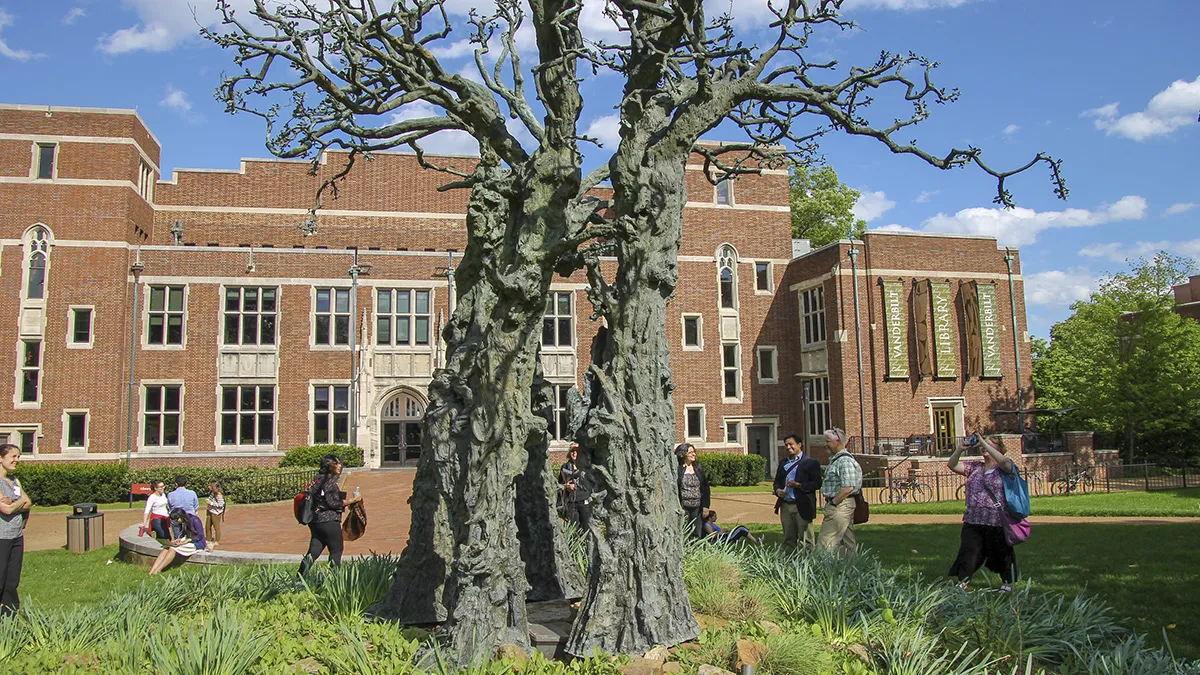 Photo: Vanderbilt University, via www.tclf.org
Life After Death (Twice)
Today, Williams keeps a "survival kit" in his filing cabinet: certified copies of every document that proves his existence, contact information for Social Security supervisors, and a folder labeled "Evidence I'm Alive." He's become something of a local celebrity, speaking at senior centers about navigating federal bureaucracy.
"I tell people to keep records of everything," he advises. "Because someday, you might need to prove you exist."
The Social Security Administration has since implemented additional verification steps for death reports, partly in response to cases like Williams'. But for a man who spent nearly three years of his retirement fighting to be officially alive, the reforms feel like closing the barn door after the horse has died.
Twice.