
The Customer Who Ruined Everything
Every restaurant worker has that customer — the one who sends food back repeatedly, complains about everything, and generally makes everyone's shift miserable. In 1853, at Moon's Lake House resort in Saratoga Springs, New York, chef George Crum encountered the customer from hell. This particular patron kept returning his French fries, claiming they were too thick, too soft, and not salty enough.
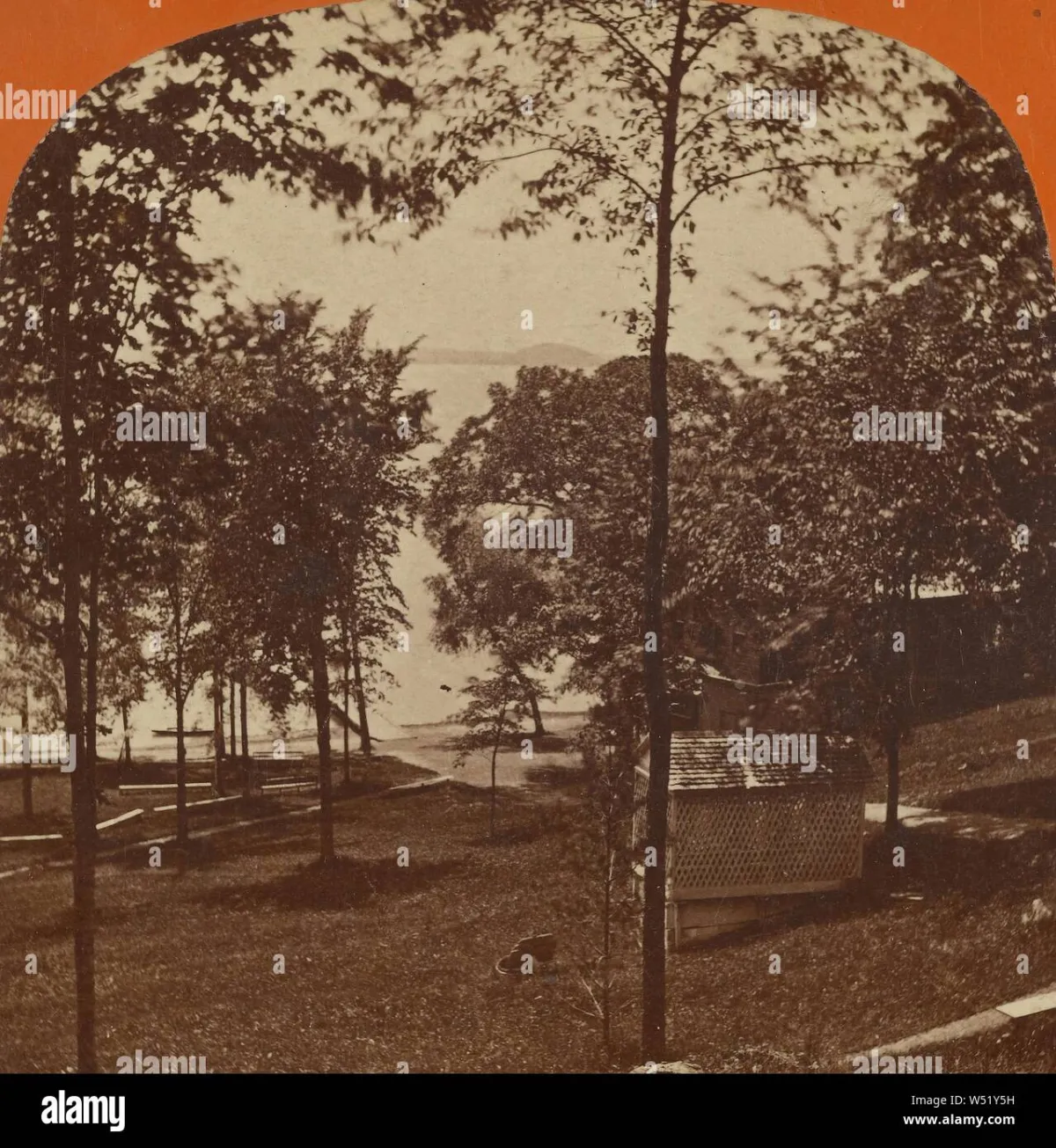 Photo: Moon's Lake House, via c8.alamy.com
 Photo: Saratoga Springs, New York, via upload.wikimedia.org
 Photo: George Crum, via farm2.staticflickr.com
Crum had reached his breaking point.
When Professional Courtesy Dies
George Crum was not a man to be trifled with. Born to a Black father and Native American mother, he'd worked his way up in restaurant kitchens through skill, determination, and a healthy dose of attitude. By the 1850s, he was the head chef at one of upstate New York's most prestigious resorts, serving wealthy vacationers who expected perfection.
But this customer had pushed too far.
After the third plate of rejected potatoes came back to his kitchen, Crum decided to teach this demanding diner a lesson. He grabbed his sharpest knife and sliced potatoes paper-thin — so thin they'd be impossible to eat with a fork. He fried them until they were crispy as autumn leaves, then dumped enough salt on them to make the Dead Sea jealous.
The plan was simple: serve something so ridiculously over-the-top that the customer would finally understand how unreasonable his demands had become.
The Backfire Heard 'Round the World
Crum sent out his spite-fueled creation and waited for the inevitable complaint. Instead, something unexpected happened: the customer loved them. He praised the "Saratoga Chips" enthusiastically and ordered more. Word spread through the dining room, and soon other guests were requesting Crum's paper-thin potato creation.
The chef had accidentally invented America's favorite snack food through pure, unadulterated pettiness.
The Recipe for Success (and Spite)
What made Crum's accidental invention so perfect was exactly what made it so spiteful. The extreme thinness that was supposed to make them impossible to eat actually made them incredibly satisfying to crunch. The excessive salt that was meant to be overwhelming hit the exact sweet spot of human craving. The crispiness that was intended as mockery created an entirely new texture experience.
Every element designed to annoy instead delighted.
Building an Empire on Irritation
Within months, "Saratoga Chips" became the resort's signature dish. Wealthy guests began taking bags home to New York City, spreading the craze to fashionable society. Crum eventually opened his own restaurant, where his famous chips were served in baskets on every table.
By the 1920s, potato chips had evolved from a single chef's moment of frustration into a national obsession. Companies like Lay's, Wise, and Utz built empires on Crum's accidental discovery. Today, Americans consume over 4 billion pounds of potato chips annually — roughly 13 pounds per person.
The Disputed Legacy
Of course, like many great origin stories, Crum's tale has its skeptics. Some food historians point to earlier references to thin-fried potatoes in European cookbooks. Others suggest that Crum's sister, Catherine "Aunt Kate" Wicks, was actually the inventor. A few claim the whole story is marketing mythology created decades later.
But the competing narratives only reinforce the central truth: many of America's most beloved foods were born from accidents, arguments, and moments of pure human pettiness.
The Spite That Keeps on Giving
Consider the broader pattern: Buffalo wings were invented when a bar owner had to quickly feed her son's friends with whatever was in the kitchen. The ice cream cone emerged when a waffle vendor helped an ice cream seller who'd run out of bowls. Chocolate chip cookies happened because a baker didn't have enough chocolate for her recipe.
American cuisine is built on improvisation, frustration, and the occasional moment of brilliant spite.
From Kitchen Tantrum to Cultural Icon
Crum's story resonates because it captures something essentially American: the idea that innovation often comes from the most unexpected places. A moment of workplace frustration in a resort kitchen became a multi-billion-dollar industry that employs hundreds of thousands of people.
Every time you reach for a bag of chips, you're participating in the legacy of one chef's very bad day. George Crum set out to annoy a difficult customer and accidentally fed a nation instead. In America, even our snack foods have attitude.
The Lesson in Every Crunch
The next time you're having a frustrating day at work, remember George Crum. Sometimes the most revolutionary ideas come from moments when we stop trying to please everyone and start expressing our authentic selves — even if that authentic self is thoroughly irritated.
After all, the potato chip industry exists because one chef decided he was done being polite. In a country built on rebellion, what could be more patriotic than that?