When a Pig's Appetite Nearly Started an International War
The Pig That Almost Changed History
Somewhere between the morning coffee and the evening news, most of us have probably wondered how close the world has come to complete chaos over something utterly ridiculous. The answer, as it turns out, is exactly one pig's worth of trouble.
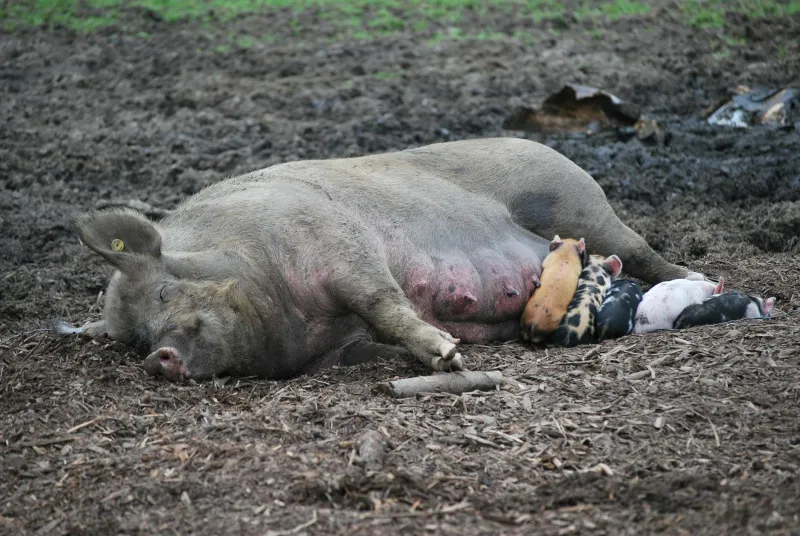
On June 15, 1859, Lyman Cutlar was having the kind of morning that makes you question your life choices. The American farmer, living on San Juan Island in what's now Washington State, stepped outside to tend his garden only to find a large black pig enthusiastically devouring his potato crop. The pig belonged to Charles Griffin, an Irish employee of the Hudson's Bay Company, and this wasn't the first time the animal had treated Cutlar's vegetables like an all-you-can-eat buffet.
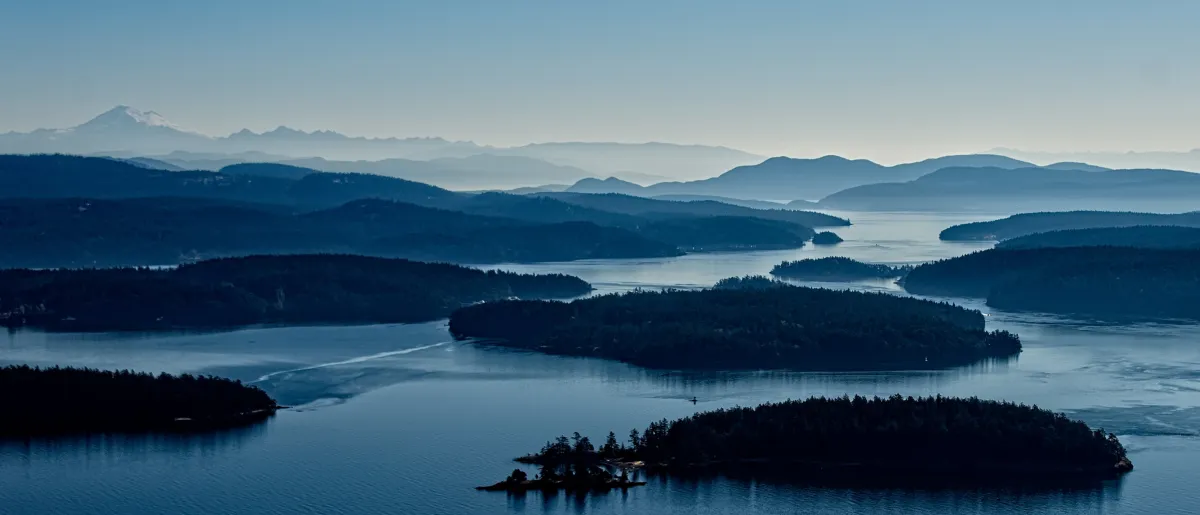 Photo: San Juan Island, via sanjuan.objects.liquidweb.services
Cutlar had complained before. Griffin had shrugged it off. But on this particular morning, with his patience worn thin and his potatoes disappearing, Cutlar grabbed his rifle and shot the pig dead.
What happened next would make diplomats around the world reconsider the phrase "making a mountain out of a molehill."
When Property Disputes Meet International Law
The problem wasn't just a dead pig—it was where the pig died. San Juan Island sat in a gray zone of international confusion, claimed by both the United States and Great Britain under competing interpretations of the 1846 Oregon Treaty. The Americans insisted the border ran through Rosario Strait, putting the island firmly in U.S. territory. The British countered that the boundary followed Haro Strait, making the island theirs.
For thirteen years, this ambiguity had simmered quietly. American settlers farmed alongside British Hudson's Bay Company employees in an uneasy but functional arrangement. Then Cutlar killed Griffin's pig.
Griffin demanded compensation—$100 for what he claimed was a prize boar. Cutlar offered $10, pointing out that the pig was trespassing. When Griffin threatened to have Cutlar arrested by British authorities, the American farmer made a declaration that would echo through diplomatic channels: "It was an American pig on American soil."
Escalation by Committee
British magistrate John de Courcy arrived to arrest Cutlar, but the farmer appealed to James Douglas, the territorial governor, who happened to be American. Douglas called for military protection, and Captain George Pickett—yes, the same Pickett who would later lead the famous charge at Gettysburg—landed on the island with 66 soldiers from the 9th Infantry.
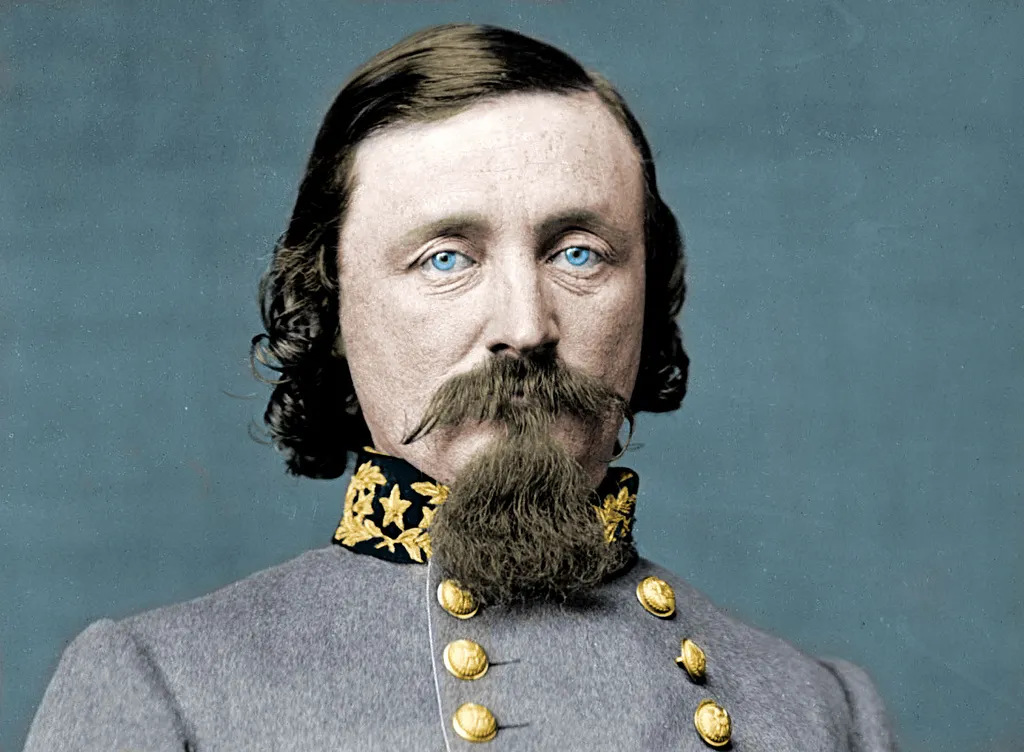 Photo: George Pickett, via civilwargeneralsab.weebly.com
The British response was swift and overwhelming. Rear Admiral Robert Baynes dispatched three warships carrying 2,140 men and 84 guns to the waters around San Juan Island. Pickett's small force suddenly found themselves staring down the barrels of enough firepower to level a small city.
For weeks, the two forces maintained an increasingly absurd standoff. British marines practiced drills within sight of American pickets. American soldiers cleaned their weapons while British naval officers took tea on deck. Both sides waited for someone to make the first move, knowing that a single shot could trigger a war between two nations that had already fought twice in living memory.
The Voice of Reason Wears Naval Stripes
Fortunately, Admiral Baynes possessed something rarer than military genius: common sense. When his subordinates pressed for action, Baynes reportedly said, "Tut, tut, no, no, the damned fools. We must not involve two great nations in a war over a squabble about a pig."
Meanwhile, American General Winfield Scott arrived to assess the situation and immediately recognized the diplomatic catastrophe brewing in the Pacific Northwest. Scott negotiated a joint occupation agreement: both nations would maintain small military presences on the island while diplomats worked out the larger border question.
An Emperor's Wisdom
The joint occupation lasted twelve years, during which American and British forces shared the island with remarkable civility. They celebrated each other's national holidays, played sports together, and maintained what might have been the world's most polite military standoff.
Finally, in 1871, both nations agreed to submit the border dispute to international arbitration. Their chosen arbitrator was Kaiser Wilhelm I of Germany, who spent months studying maps, treaties, and testimonies before rendering his decision in 1872.
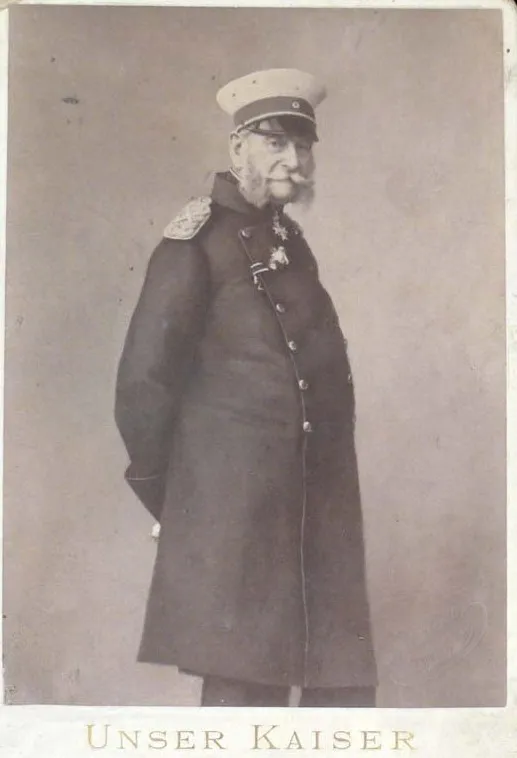 Photo: Kaiser Wilhelm I, via 64.media.tumblr.com
The Kaiser ruled in favor of the United States. San Juan Island was American territory, which meant Lyman Cutlar had been right all along—it was an American pig on American soil.
The Aftermath of Absurdity
The Pig War, as historians would later call it, remains the only international conflict in which the sole casualty was the animal that started it. No shots were fired in anger, no soldiers died in battle, and two great powers managed to step back from the brink of war over what amounted to a neighborhood dispute with international implications.
Cutlar never did pay the $100 for Griffin's pig. The potato patch that started it all has long since returned to wilderness. But San Juan Island still bears markers commemorating the moment when common sense prevailed over national pride, and a pig's appetite reminded the world that sometimes the smallest incidents cast the longest shadows.
In an age when international tensions can escalate with the speed of a tweet, the Pig War stands as a peculiar testament to the power of patience, the wisdom of restraint, and the eternal truth that some problems really aren't worth fighting over—no matter how good the potatoes might be.