The $20 Moon Salesman: How One Man Turned a Legal Loophole Into the Universe's Strangest Real Estate Empire
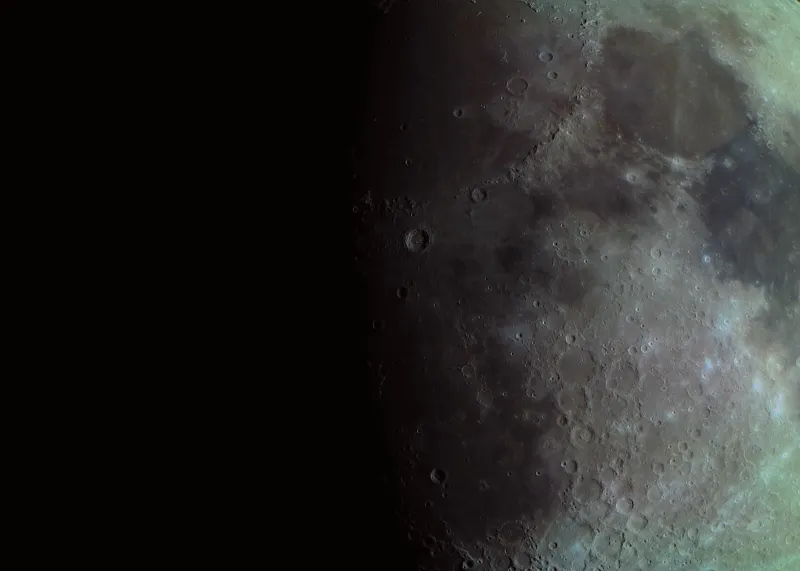
Imagine receiving a deed to a piece of property 238,900 miles away, complete with mineral rights and a money-back guarantee. Sound ridiculous? Tell that to the 6 million people who've purchased lunar real estate from Dennis Hope, the self-proclaimed "Head Cheese" of the Lunar Embassy Commission.
The Loophole That Launched a Thousand Lawsuits (That Never Came)
In 1980, Hope was going through a divorce and desperately needed money. While most people might consider a second job or selling their car, Hope had bigger aspirations—literally astronomical ones. He'd been studying the 1967 Outer Space Treaty, the international agreement that governs space activities, when he noticed something peculiar.
The treaty explicitly states that "no nation may claim sovereignty over the Moon or other celestial bodies." But Hope realized it said nothing about individuals. In his interpretation, the treaty only prevented countries from claiming the Moon, not private citizens.
Armed with this cosmic revelation, Hope marched down to a San Francisco courthouse and filed a declaration of ownership for the Moon, along with the other eight planets in our solar system (Pluto was still considered a planet back then). He even sent letters to the United Nations, the U.S. government, and the Soviet Union, informing them of his claim and giving them a reasonable opportunity to object.
When nobody responded with legal action, Hope took their silence as tacit approval.
Building an Interplanetary Business Empire
Hope didn't just claim the Moon—he turned it into a business. He divided Earth's satellite into one-acre parcels and began selling them for $19.99 each, plus shipping and handling for the deed. His company, the Lunar Embassy, offered customers official-looking certificates complete with lunar coordinates, mineral rights, and even a "money-back guarantee" (though the fine print noted this only applied if Hope was legally proven wrong in court).
The business model was surprisingly sophisticated. Hope created detailed lunar maps, established a customer service department, and even offered gift wrapping for special occasions. Want to give your spouse the Moon for your anniversary? Hope literally made that possible for under twenty bucks.
The marketing genius lay in the absurdity itself. People weren't really buying land on the Moon—they were buying into the audacious joke of it all. It became the ultimate novelty gift, perfect for the person who already had everything on Earth.
Presidential Customers and Celebrity Endorsements
Hope's customer list reads like a who's who of American culture. Three sitting U.S. presidents reportedly purchased lunar property, though Hope maintains client confidentiality about which ones. Celebrities, business leaders, and everyday Americans all bought into the cosmic real estate venture.
The purchases often came with stories. Some people bought lunar land as wedding gifts, others as retirement investments (optimistic, considering current space travel costs). One customer reportedly purchased property near the Apollo 11 landing site, hoping to eventually build a bed and breakfast for space tourists.
Hope claims he's sold over 600 million acres of lunar surface, generating millions in revenue over four decades. That's roughly 15% of the Moon's total surface area—a respectable market share for any real estate venture.
The Legal Gray Area That Keeps on Giving
What's remarkable isn't just that Hope made these claims, but that no government has seriously challenged them. Legal experts generally agree that Hope's interpretation of the Outer Space Treaty is creative at best and legally questionable at worst. The treaty's language about "activities of states" is widely understood to include private citizens operating under national jurisdiction.
Yet the legal system has largely ignored Hope's lunar empire. Perhaps it's because prosecuting someone for selling imaginary land seems like a waste of taxpayer money. Or maybe it's because Hope's operation, while legally dubious, isn't exactly harming anyone. His customers generally understand they're buying a novelty item rather than actual real estate.
The Broader Universe of Opportunity
Hope didn't stop with the Moon. His cosmic real estate portfolio eventually expanded to include Mars, Venus, and other celestial bodies. He's even sold naming rights to craters and established what he calls the "Galactic Government," complete with a constitution and legislative body.
The operation has outlasted multiple presidential administrations, survived the internet age, and continues operating today. Hope's website still processes orders, complete with customer testimonials and detailed property descriptions for various lunar regions.
The Ultimate American Dream
In many ways, Hope's story embodies a peculiarly American entrepreneurial spirit: the ability to spot an opportunity in the most unlikely places and turn it into a sustainable business. Whether his lunar land claims would hold up in court remains an open question—one that may never be answered unless space tourism becomes affordable enough for property disputes to matter.
Until then, Dennis Hope remains the Moon's most successful real estate agent, having built a multi-million-dollar business on twenty dollars' worth of legal fees and an astronomical amount of audacity. In a universe full of impossible things, perhaps the strangest is that his impossible business model actually worked.
After all, in America, even the sky isn't the limit—apparently, it's just the beginning.