
When the Rules Break Down
Imagine walking into work one Tuesday morning and discovering you're suddenly the CEO of America. No campaign, no election, no votes counted — just a bizarre series of resignations and constitutional technicalities that somehow landed the world's most powerful job on your desk.
That's essentially what happened to Gerald Ford in 1974, when he became the only person in U.S. history to serve as both Vice President and President without ever appearing on a national ballot for either office. It's a constitutional quirk so strange that legal scholars still debate whether the Founding Fathers would have been horrified or impressed by the loophole they accidentally created.
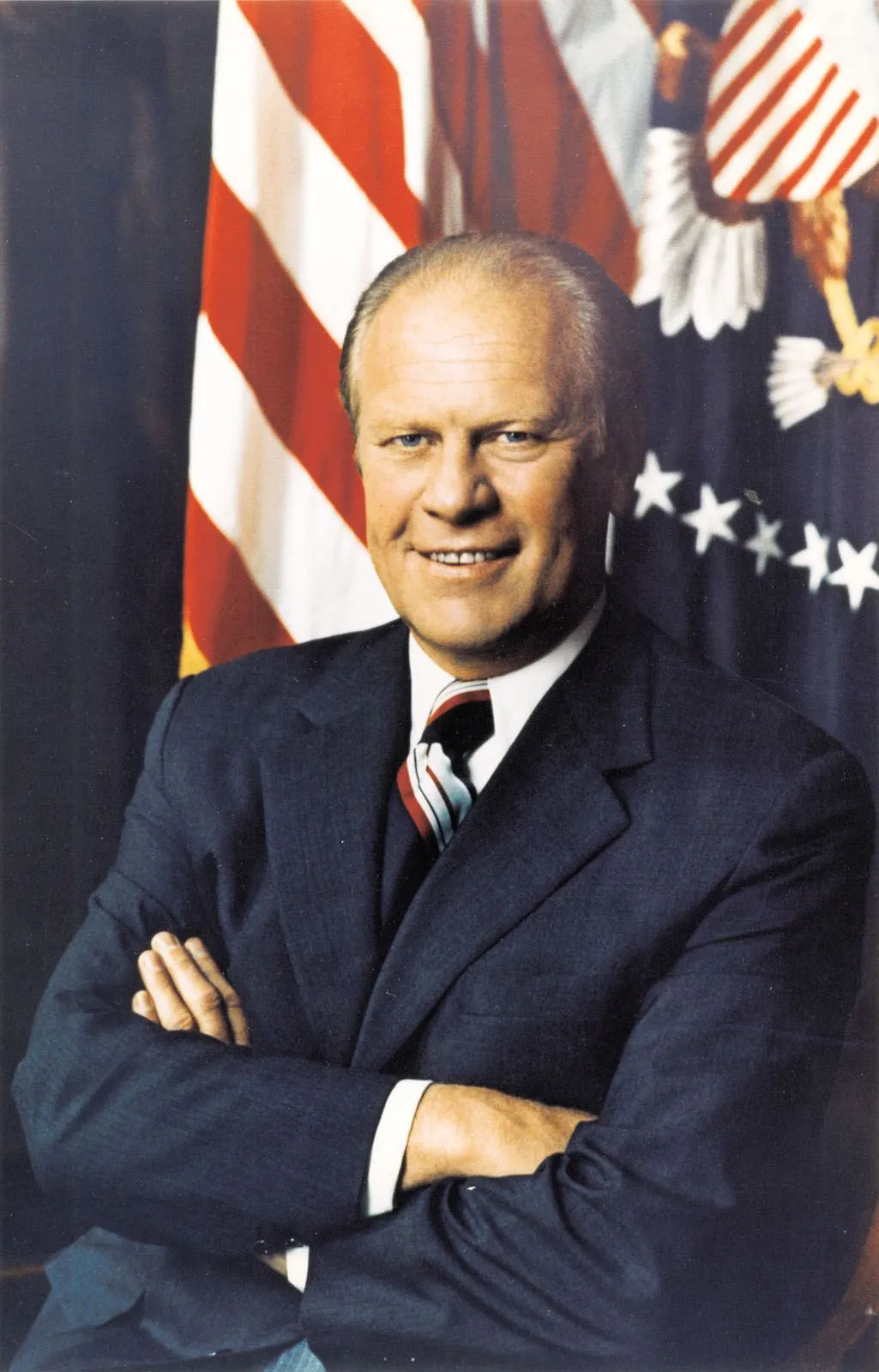 Photo: Gerald Ford, via cdn.britannica.com
The Domino Effect That Changed Everything
The story begins with Spiro Agnew, Richard Nixon's Vice President, who had a problem with taking bribes. Not small ones, either — we're talking about envelopes stuffed with cash delivered directly to his office in the White House. When federal prosecutors finally caught up with him in 1973, Agnew resigned in disgrace, leaving Nixon without a running mate.
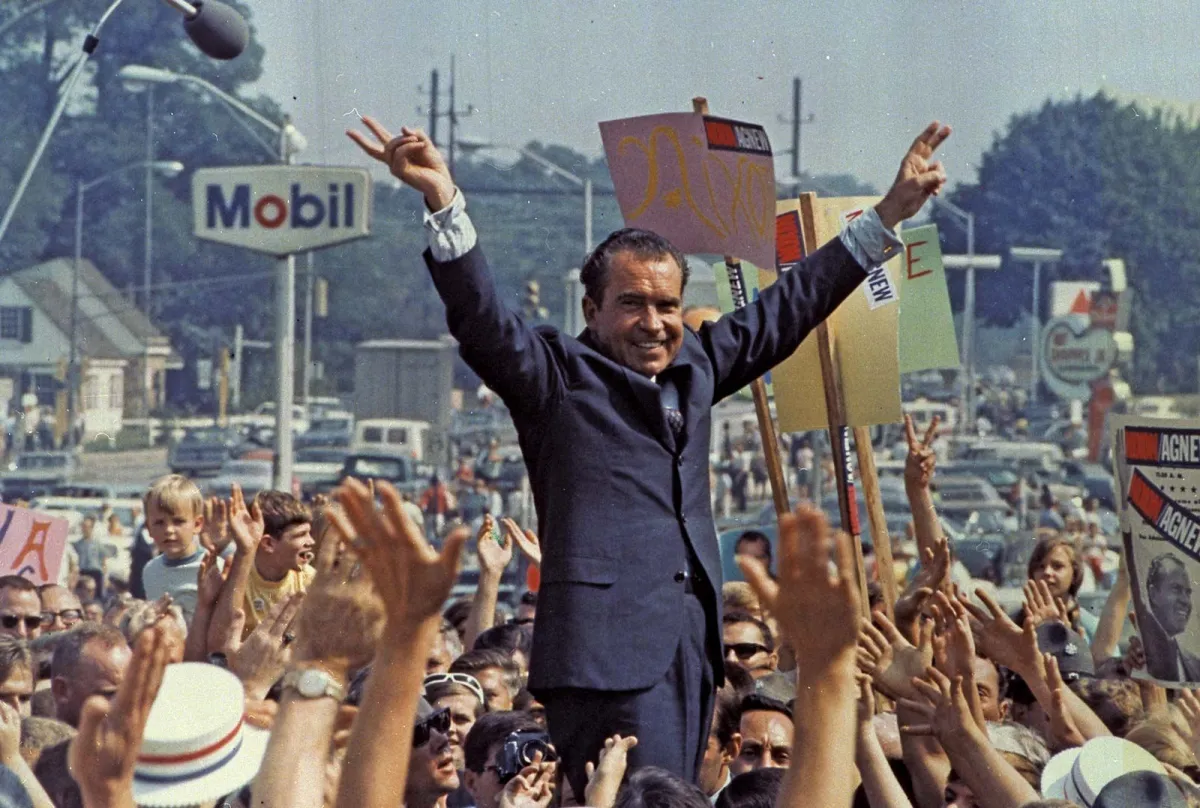 Photo: Richard Nixon, via cdn.britannica.com
Here's where things get weird. The 25th Amendment, ratified just six years earlier in 1967, allowed presidents to nominate a replacement Vice President — but that person had to be confirmed by both houses of Congress. Nixon, already drowning in Watergate investigations, needed someone squeaky clean that even his political enemies would approve.
Enter Gerald Ford: a mild-mannered Congressman from Michigan who had spent 25 years in the House of Representatives without making many enemies or much noise. He was vanilla in the best possible way — the political equivalent of comfort food that nobody could object to.
The Constitutional Accident
Ford sailed through confirmation hearings and became Vice President in December 1973. But Nixon's troubles were just getting started. By August 1974, the Watergate scandal had reached critical mass, and facing almost certain impeachment, Nixon became the first president in American history to resign.
Suddenly, Gerald Ford — who had never received a single vote for national office — was President of the United States.
The constitutional mechanics that made this possible are mind-bending when you think about them. The 25th Amendment was designed to prevent exactly the kind of leadership vacuum that would have occurred if Agnew had resigned without a replacement process. But nobody anticipated that both the President and Vice President would exit within eight months of each other.
The Man Nobody Voted For
Ford himself was acutely aware of the historical oddity of his situation. "I am acutely aware that you have not elected me as your President by your ballots," he told the nation in his first address. "So I ask you to confirm me as your President with your prayers."
It was an unprecedented moment in American democracy: a leader asking for divine confirmation because he couldn't get it at the ballot box.
The irony runs even deeper when you consider Ford's background. He had originally planned to retire from Congress in 1976 and had never harbored serious presidential ambitions. His colleagues had elected him House Minority Leader, but that was about as high as his political aspirations reached. Yet through a series of scandals and constitutional procedures he had nothing to do with, he found himself running the country.
The Constitutional Scholars' Nightmare
Legal experts still argue about whether the Founding Fathers would have approved of Ford's path to power. The Constitution clearly allows it, but the spirit of democratic governance suggests that presidents should, you know, actually be chosen by the people.
Some scholars point out that Ford's situation reveals a fundamental tension in the American system: the Constitution prioritizes stability and continuity of government over direct democratic choice. Others argue that the 25th Amendment creates a dangerous precedent where political parties could theoretically game the system to install unelected leaders.
The Legacy of an Accidental Presidency
Ford served as President for just over two years, losing the 1976 election to Jimmy Carter — making him the only person to serve as President and then lose when he actually did ask voters for the job. The historical irony is almost poetic: the man who became President without an election was rejected by voters when they finally got the chance to weigh in.
But Ford's presidency accomplished something remarkable: it proved that American democracy could survive a constitutional crisis that would have toppled governments in other countries. The peaceful transfer of power from Nixon to Ford, despite the completely unprecedented circumstances, demonstrated the resilience of American institutions.
The Loophole That Still Exists
Here's the truly mind-bending part: this could happen again tomorrow. The 25th Amendment remains unchanged, and the same sequence of events that put Ford in the White House could theoretically repeat itself. A Vice President could resign, be replaced by congressional confirmation, and then ascend to the presidency if the President also left office.
Constitutional scholars have proposed various reforms to prevent another "accidental presidency," but none have gained traction. Americans seem content to leave this particular loophole open, perhaps trusting that lightning won't strike twice in the same constitutional spot.
Gerald Ford's presidency stands as one of history's strangest examples of how democratic systems can produce profoundly undemocratic outcomes while still technically following all the rules. It's a reminder that sometimes the most important events in history happen not because someone planned them, but because nobody thought to prevent them.