
When Medicine Meets the Midway
Picture this: a German physician in 1868, watching slack-jawed as a carnival performer slides a 27-inch sword down his throat without flinching. Most spectators see entertainment. Dr. Adolf Kussmaul sees a medical breakthrough.
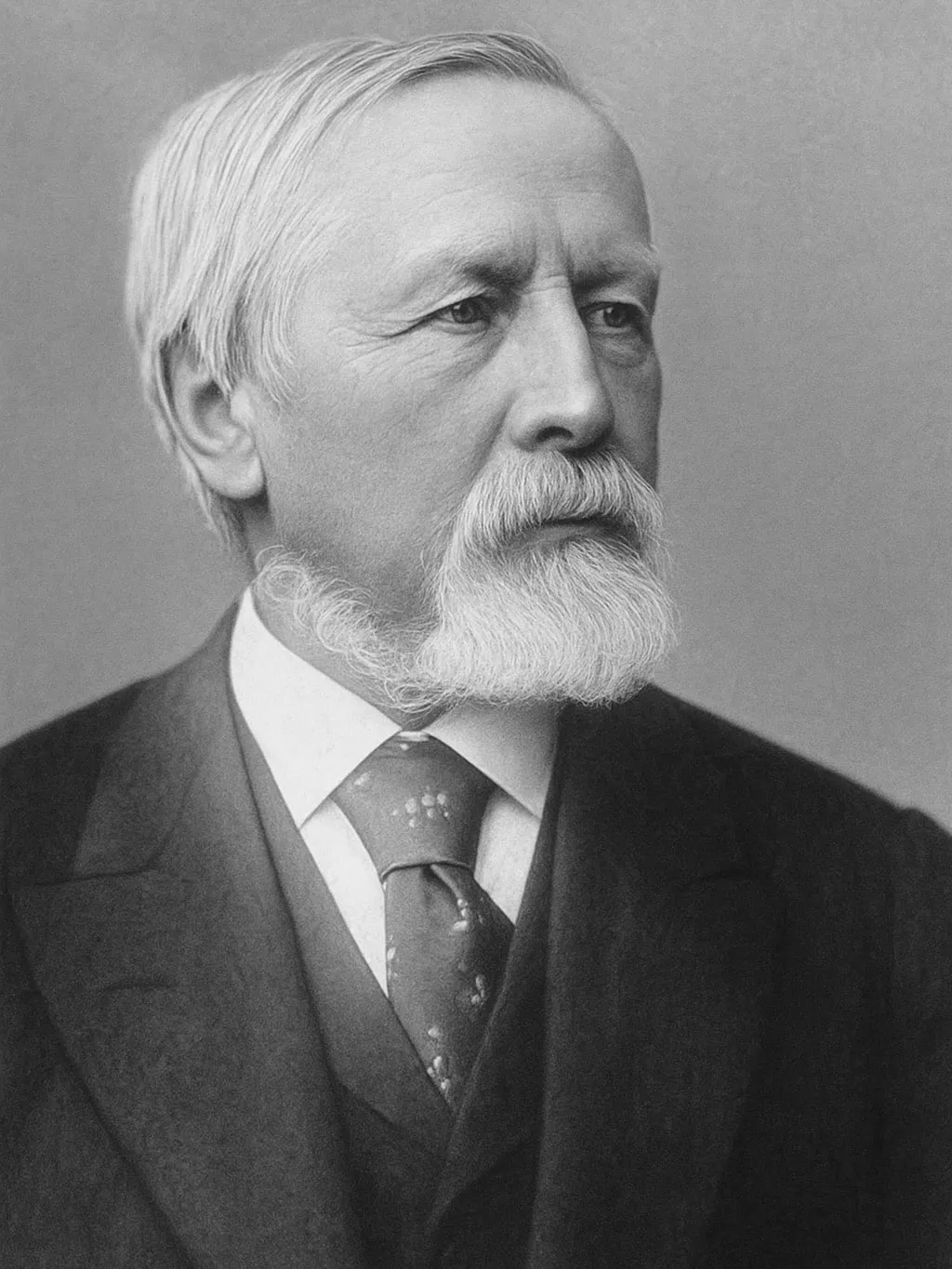 Photo: Adolf Kussmaul, via litfl.com
That moment of inspiration led to the development of the flexible endoscope — a device that now saves millions of lives annually by allowing doctors to examine the inside of the human body without invasive surgery. The tool that made modern gastroenterology possible owes its existence to circus performers who could make steel disappear down their gullets for the price of admission.
It's one of medicine's most unlikely origin stories: a diagnostic revolution born from watching sideshow acts.
The Sword Swallower's Secret
Sword swallowing isn't actually magic — it's anatomy. Performers spend years training their bodies to override natural gag reflexes and align their throat, esophagus, and stomach into a straight line. The "sword" (usually a dull steel rod) passes through this carefully controlled pathway without causing damage.
What made this relevant to medicine was a simple realization: if a carnival performer could safely insert a rigid object down someone's throat, perhaps physicians could do the same thing for diagnostic purposes.
Before this insight, examining the interior of the human body required either surgery or educated guesswork. Doctors could listen with stethoscopes, feel with their hands, and observe external symptoms, but actually seeing inside a living patient was impossible.
Dr. Kussmaul's Eureka Moment
Adolf Kussmaul was a pioneering German physician who specialized in stomach disorders — a frustrating field in the 1860s because diagnosing gastric problems required essentially flying blind. He could theorize about what was happening inside a patient's stomach, but he had no way to actually look.
When Kussmaul witnessed sword swallowing performances, he immediately grasped the medical implications. If entertainers could safely insert long objects into their throats, physicians could potentially use similar techniques to examine patients' digestive systems.
Working with instrument maker Joseph Leiter, Kussmaul developed the first rigid endoscope in 1868. It was essentially a sophisticated version of a sword swallower's prop: a straight metal tube with mirrors and gas lighting that could be inserted down a patient's throat to illuminate and examine the stomach interior.
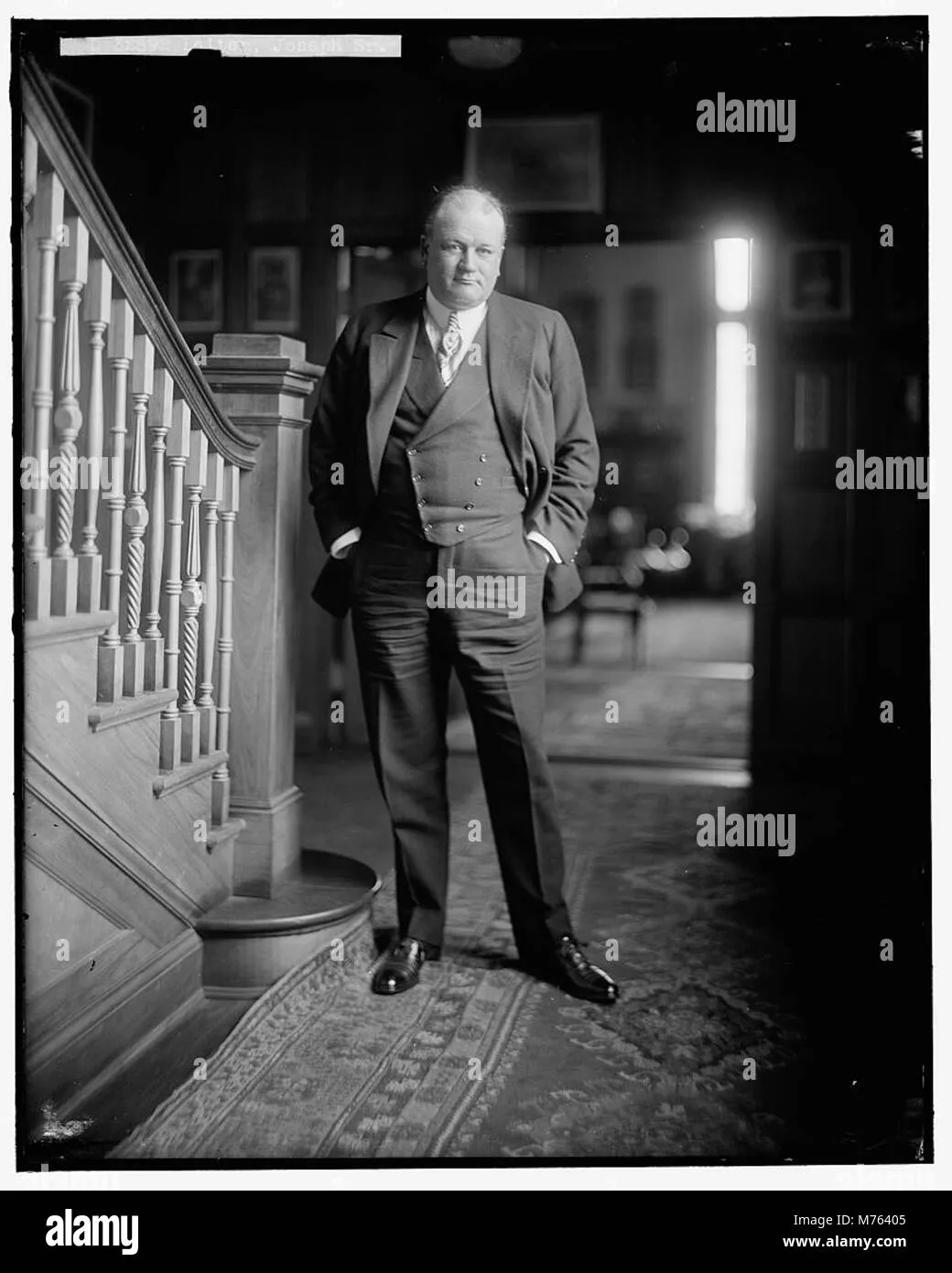 Photo: Joseph Leiter, via c8.alamy.com
The Collaboration Nobody Expected
Here's where the story gets even stranger: Kussmaul actually consulted with professional sword swallowers to perfect his technique. These carnival performers became unlikely medical consultants, sharing their knowledge of throat anatomy and insertion techniques with German physicians.
Sword swallowers taught doctors about the importance of proper patient positioning, breathing techniques to suppress gag reflexes, and the precise angles needed to navigate the throat safely. Skills developed for entertainment purposes suddenly became legitimate medical knowledge.
The collaboration was so successful that some European medical schools actually hired sword swallowers to demonstrate proper endoscopic technique to students. Imagine explaining that on a medical school curriculum: "Gastroenterology 101: Featuring Guest Lecturer Sergio the Sword Swallower."
From Rigid to Revolutionary
Kussmaul's rigid endoscope was groundbreaking but limited. The straight metal design could only examine the upper digestive tract, and the procedure was uncomfortable enough that patients required significant preparation and sometimes anesthesia.
The real breakthrough came decades later when inventors developed flexible endoscopes using fiber optic technology. But the fundamental principle — that the human throat could safely accommodate diagnostic instruments — came directly from observations of sword swallowing performances.
By the 1950s, flexible endoscopes had revolutionized medicine. Doctors could now examine not just stomachs but entire digestive systems, respiratory tracts, and other internal organs without invasive surgery. What started as a carnival curiosity had evolved into one of medicine's most essential diagnostic tools.
The Ripple Effect
The medical applications of endoscopy expanded far beyond what Kussmaul could have imagined. Modern endoscopes can:
- Detect cancers in their earliest, most treatable stages
- Remove polyps and small tumors without surgery
- Diagnose inflammatory bowel diseases
- Investigate internal bleeding
- Guide minimally invasive surgical procedures
Millions of people alive today owe their lives to early cancer detection made possible by endoscopic screening — which traces its origins back to watching circus performers swallow swords.
The Sword Swallowers' Revenge
The relationship between medicine and sword swallowing came full circle in an unexpected way. As endoscopy became more sophisticated, medical researchers began studying professional sword swallowers to better understand the mechanics of their performances.
A 2006 study published in the British Medical Journal examined the techniques and injury rates of professional sword swallowers, treating their skills as legitimate subjects for scientific inquiry. The research found that sword swallowing, when performed correctly, is remarkably safe — validating the observations that inspired endoscopy in the first place.
Some sword swallowers have even worked with medical device manufacturers to test and improve endoscopic equipment, bringing the collaboration between carnival performers and physicians into the 21st century.
The Lesson in Unexpected Innovation
The endoscope story illustrates how medical breakthroughs can come from the most unlikely sources. Kussmaul's willingness to see past the entertainment value of sword swallowing and recognize its medical potential changed the course of diagnostic medicine.
It's a reminder that innovation often happens at the intersection of seemingly unrelated fields. The skills that made sword swallowers successful entertainers — precise anatomical knowledge, breath control, and the ability to override natural reflexes — turned out to be exactly what physicians needed to develop internal diagnostic techniques.
A Circus Legacy in Every Hospital
Today, endoscopic procedures are so routine that most patients don't think twice about them. Colonoscopies, upper endoscopies, and bronchoscopies are standard medical care, performed millions of times annually in hospitals worldwide.
But every time a doctor inserts an endoscope to examine a patient's internal organs, they're using a technique that originated from watching carnival performers entertain crowds with death-defying sword tricks. It's one of medicine's most extraordinary examples of how scientific progress can emerge from the most unexpected places.
The next time you see a sword swallower at a carnival or circus, remember: you're watching a performance that helped create one of modern medicine's most important diagnostic tools. Sometimes the most valuable innovations come not from laboratories or universities, but from the sawdust and spotlights of the midway.